Bio + Artist Statement
Artist Bio
Jonas Angelet is a multidisciplinary artist of Puerto Rican heritage whose work explores movement, memory, and mark-making through imagery rooted in transit, labor, and infrastructure. Drawing from a background in graphic design and fine art training, Angelet merges structured visual systems with textured, intuitive surfaces. His practice reflects a life shaped by constant movement—across geographies, communities, and cultural contexts—where repetition, wear, and intervention become forms of personal and collective documentation.
Recurring motifs such as freight trains and industrial materials function as symbols of migration, working-class histories, and invisible labor. Rust becomes history, motion becomes longing, and surface marks act as evidence of presence. Angelet’s work sits at the intersection of design, drawing, and conceptual storytelling, balancing precision with imperfection. He lives and works between projects and cities across the United States, documenting movement itself as a vital component of the work.
Artist Statement
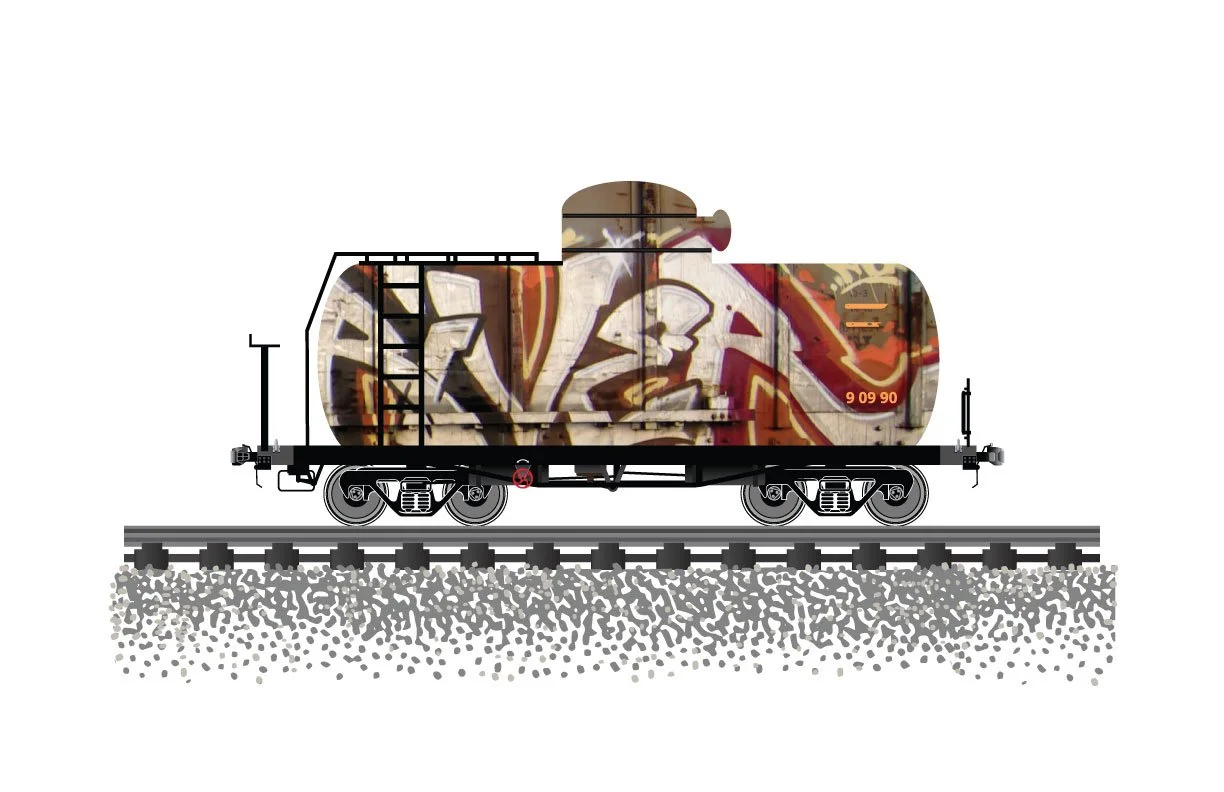
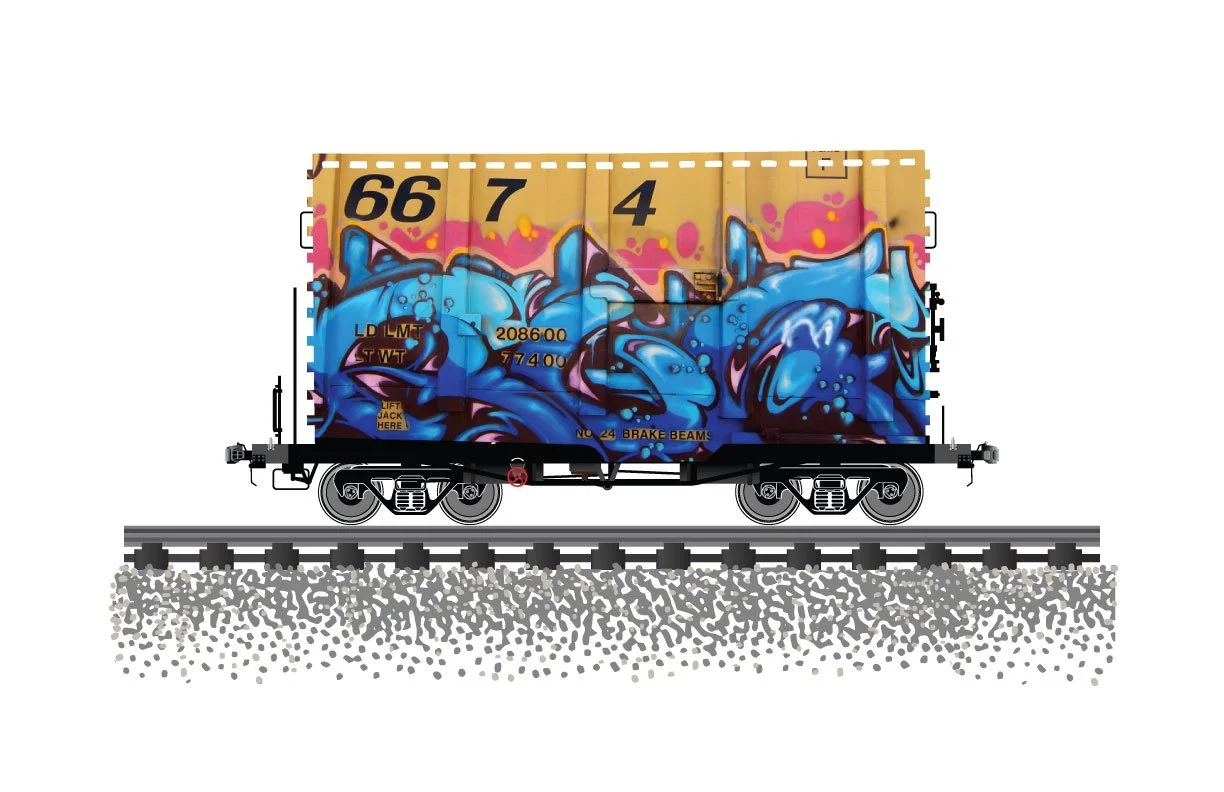
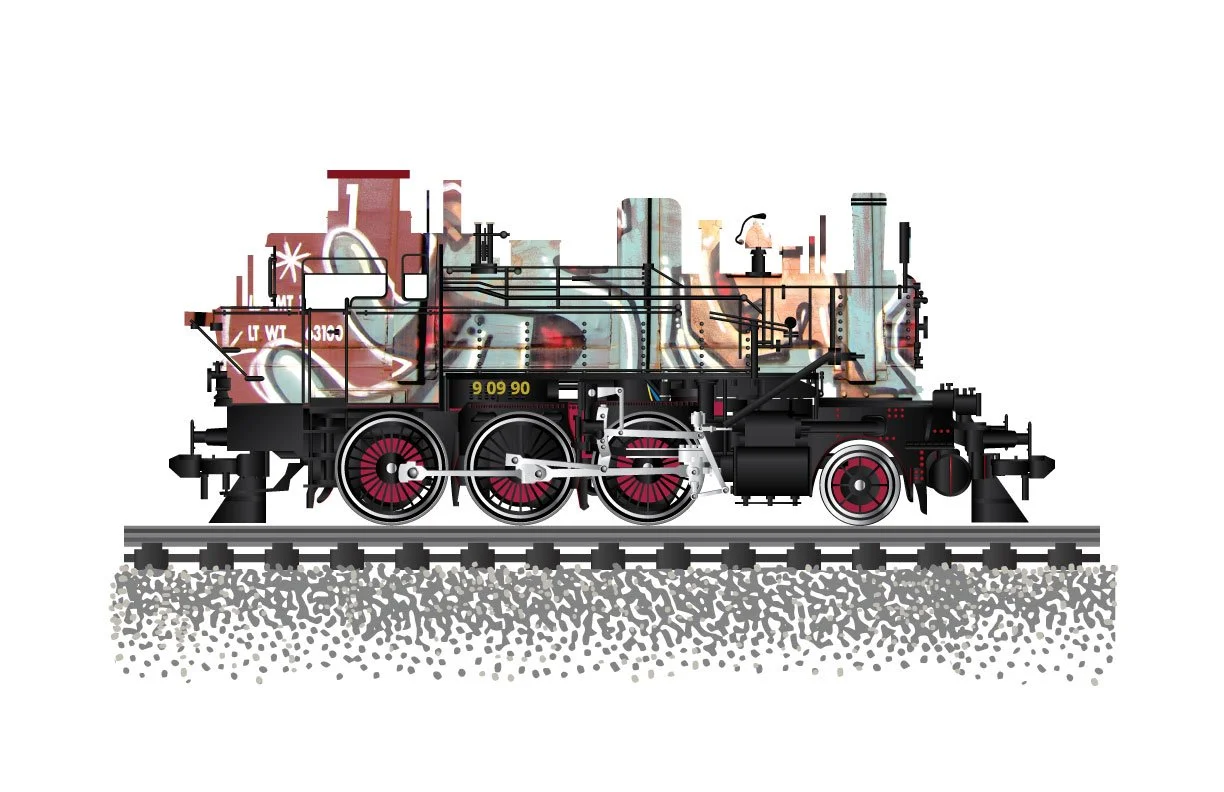
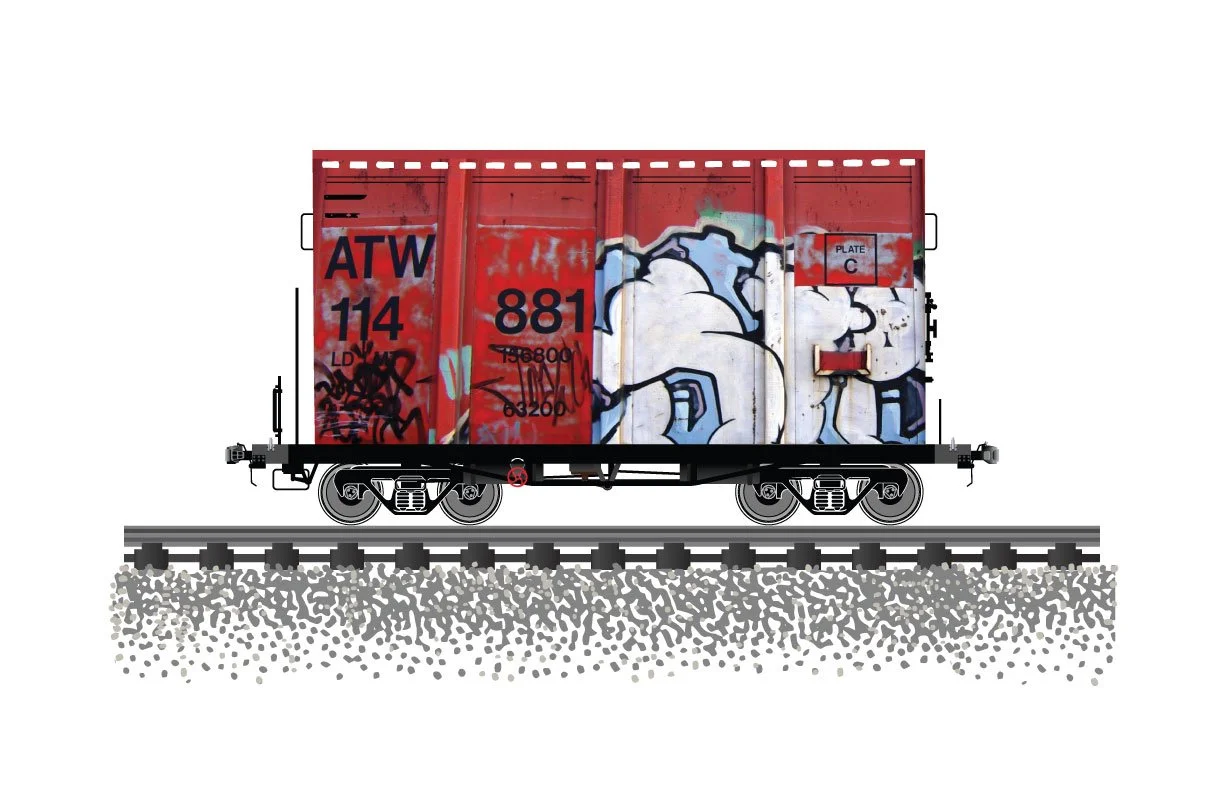
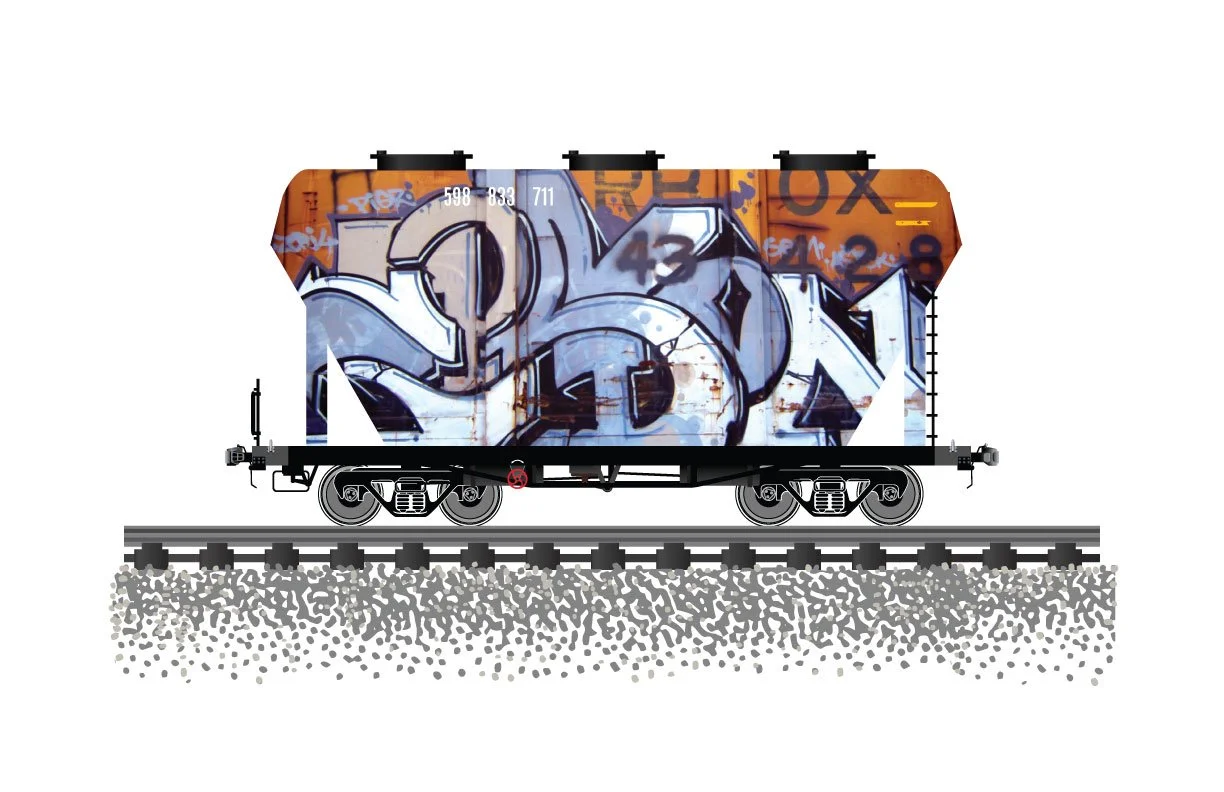
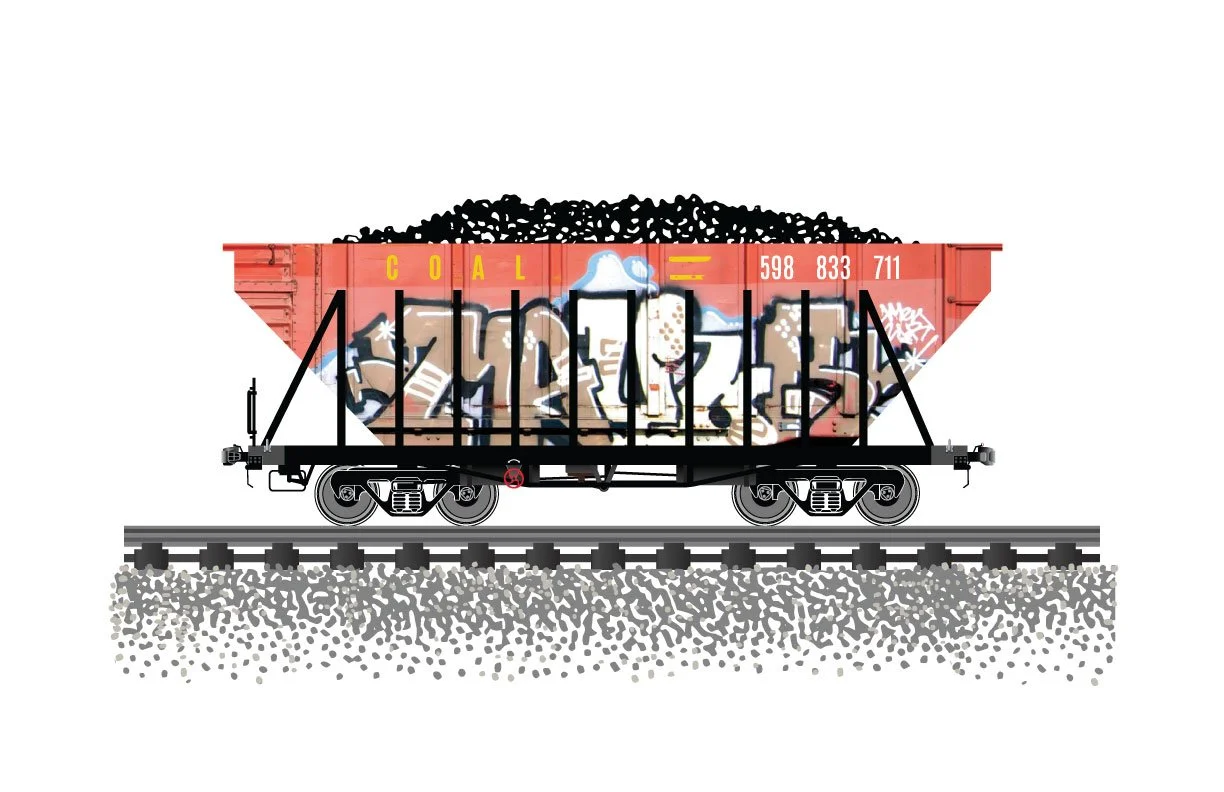
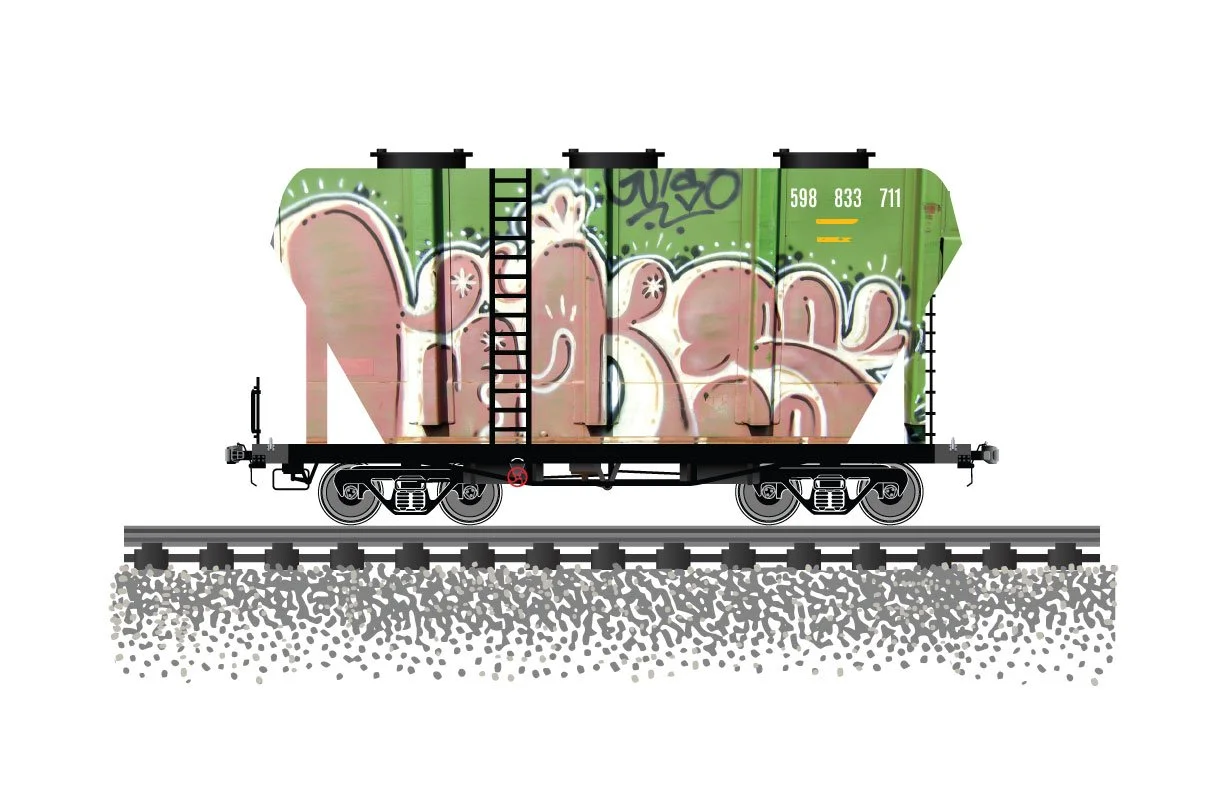
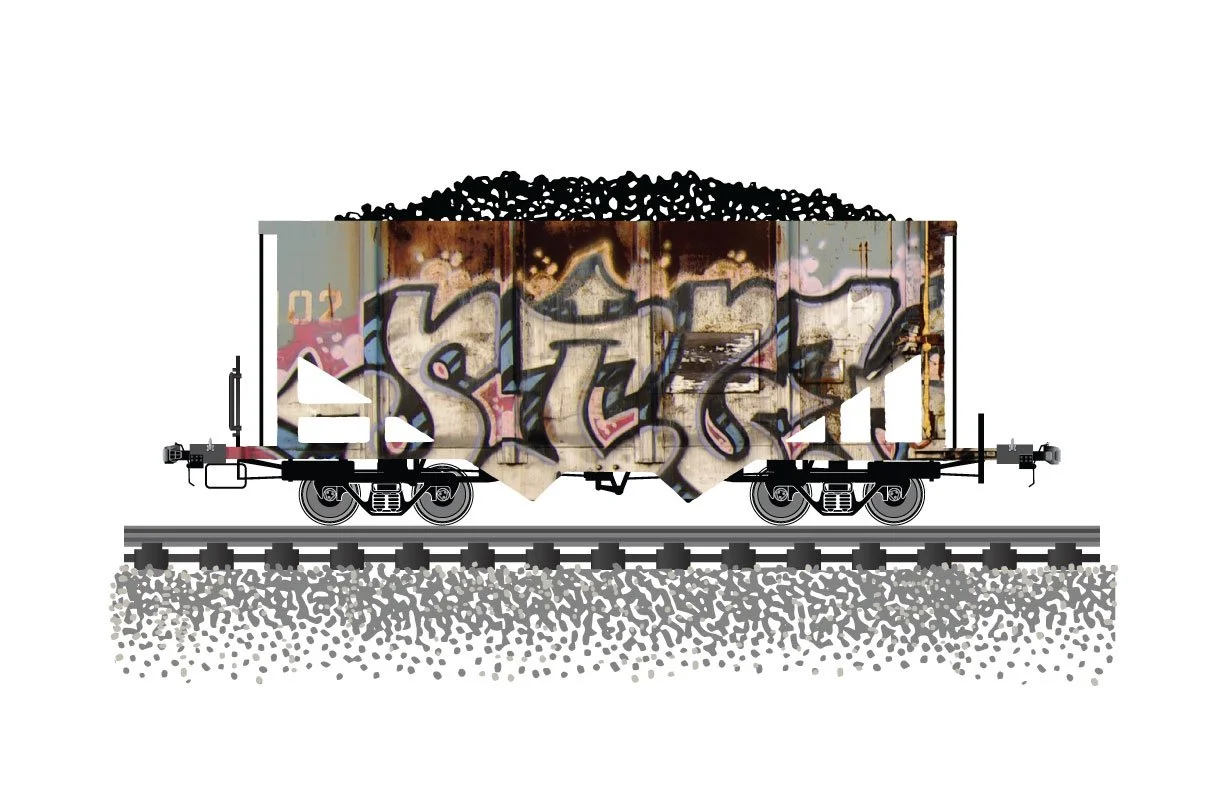
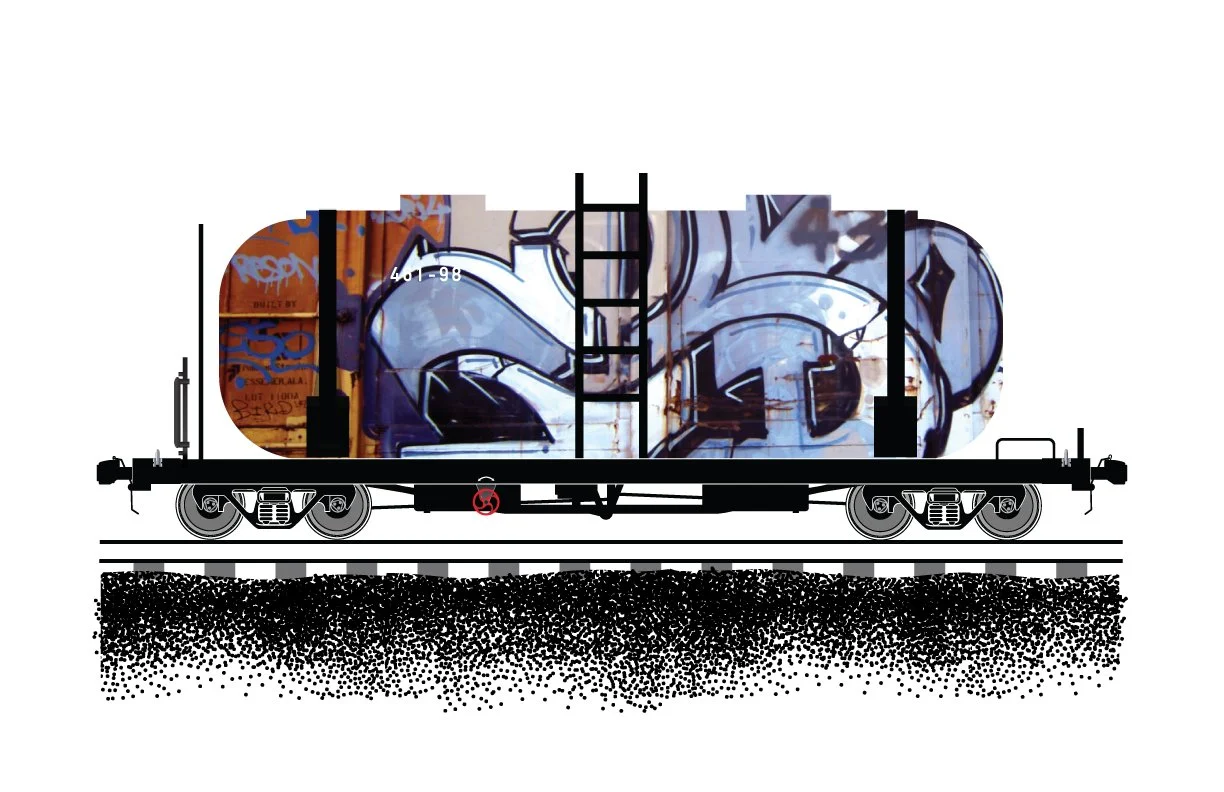
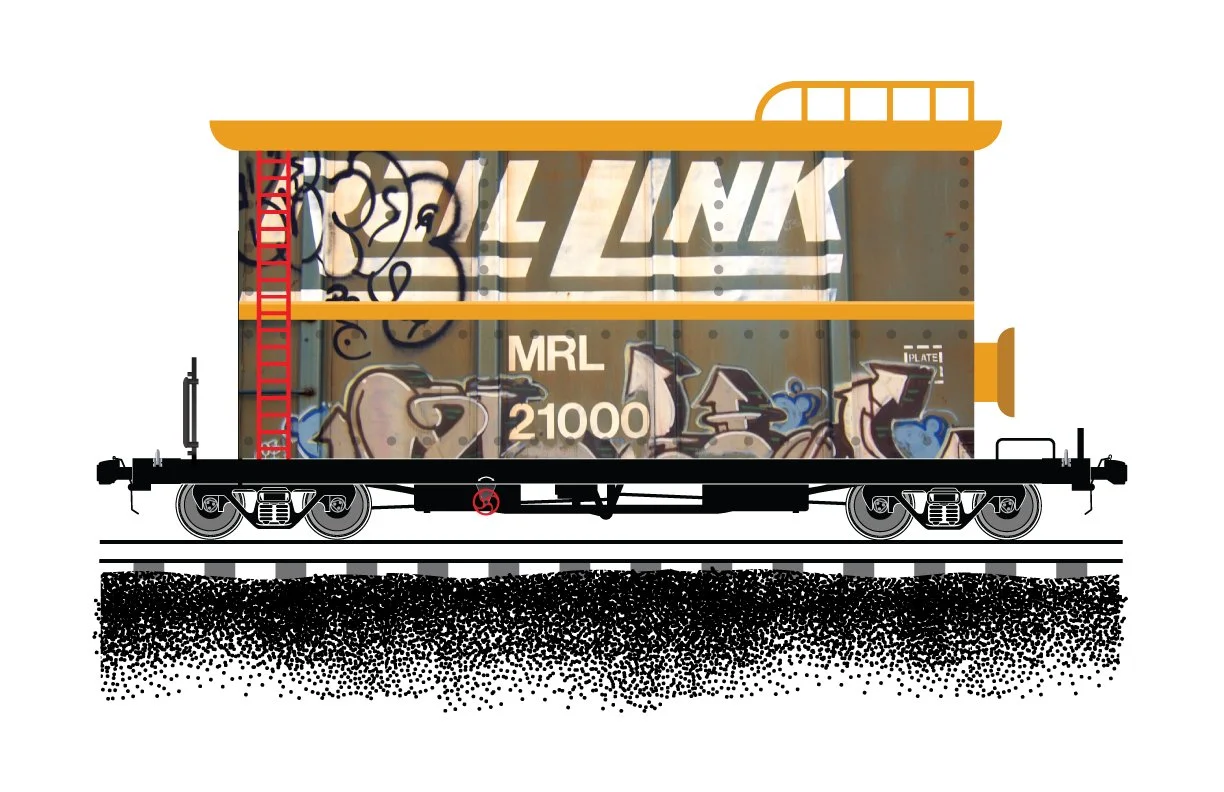
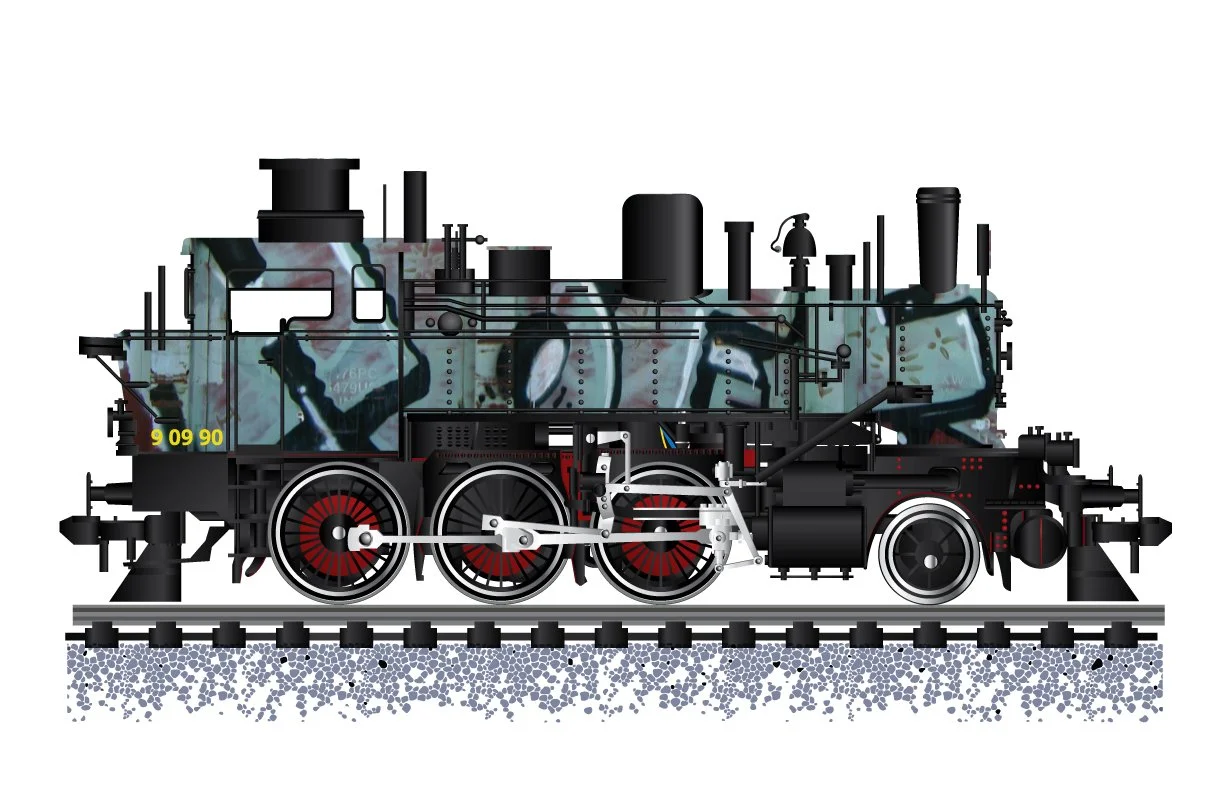
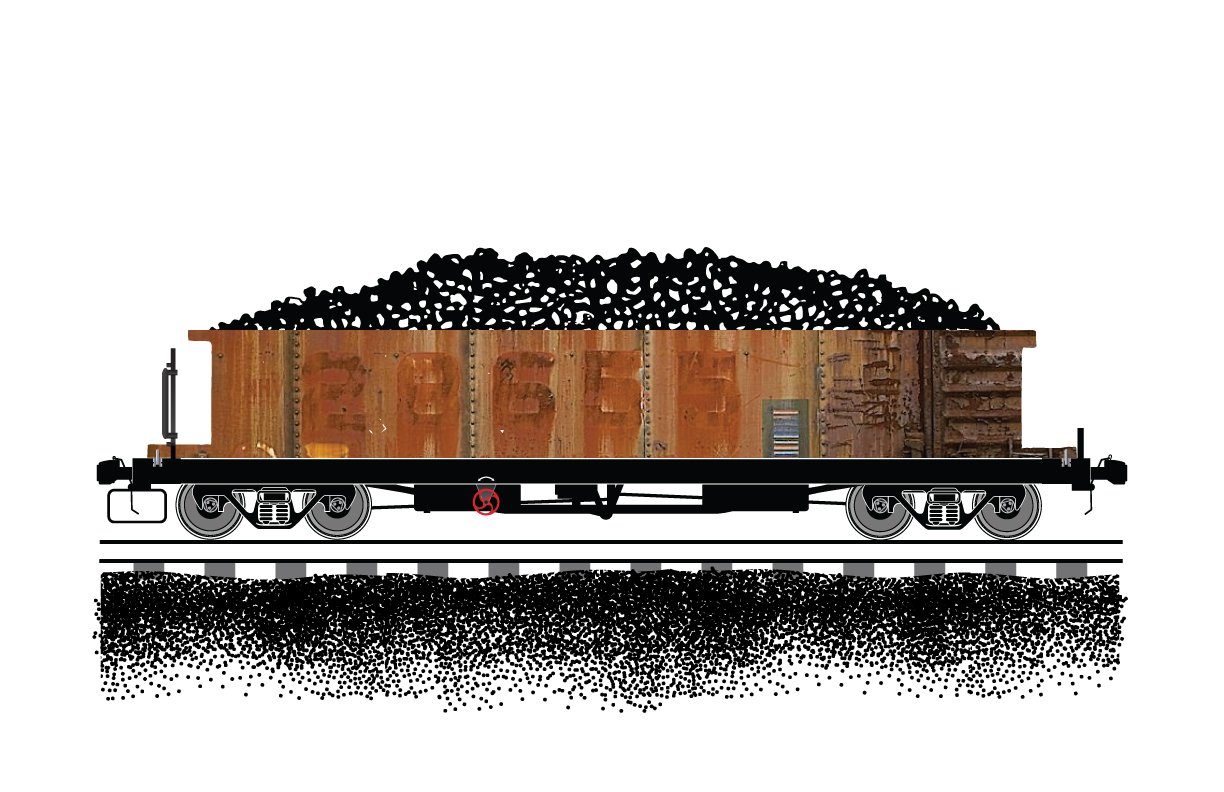
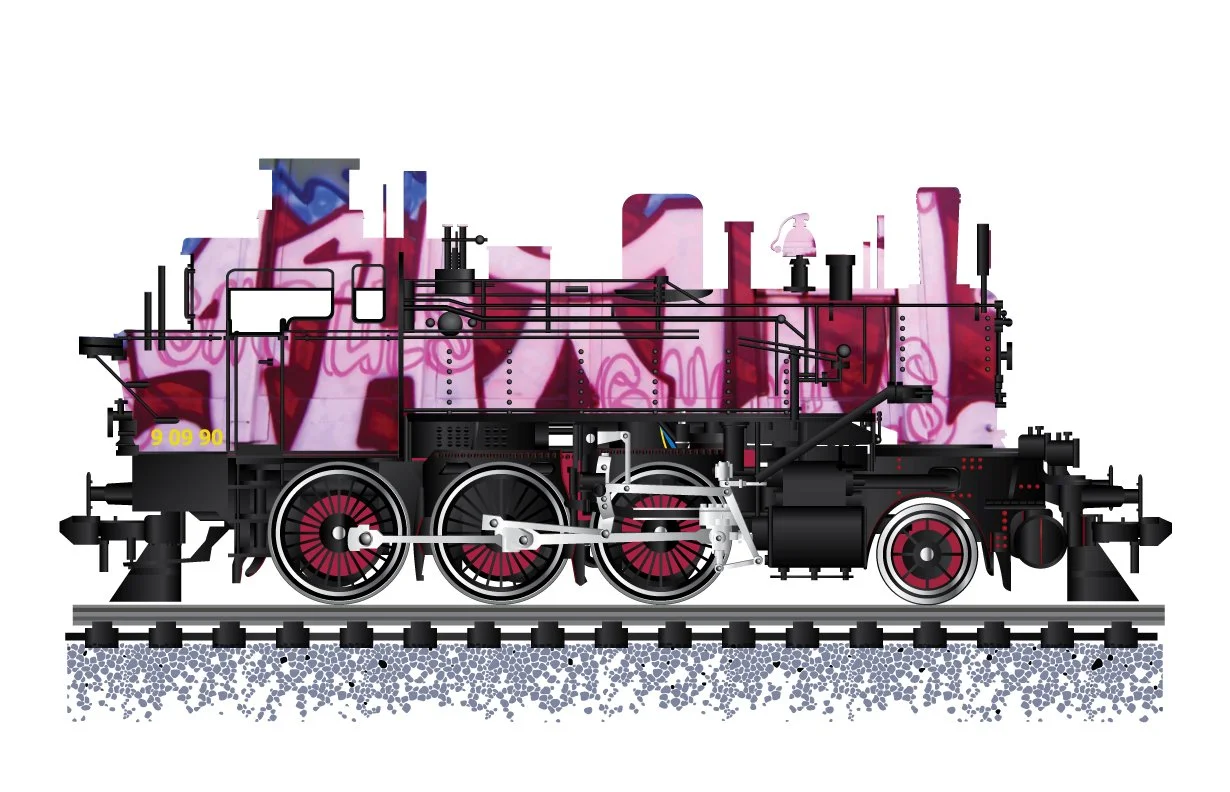
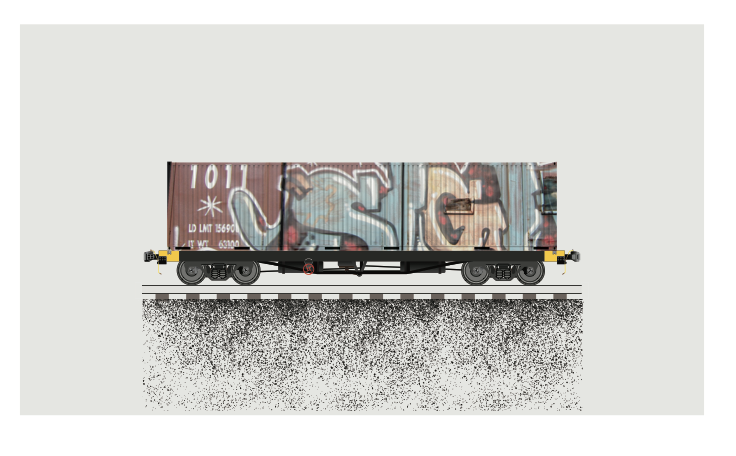
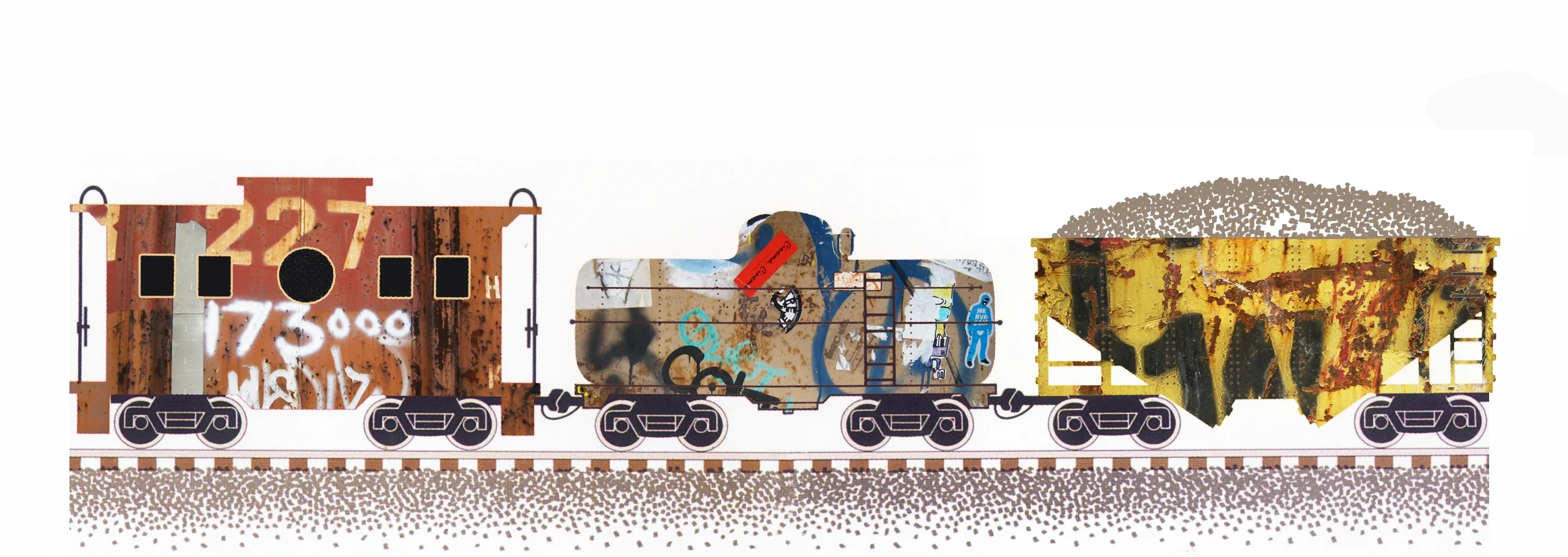
This train car series operates as a metaphor for travel, displacement, and the slow erosion of time. Freight trains move endlessly through landscapes without belonging to them, carrying the traces of countless hands—layers of graffiti, weathering, and industrial decay. For me, these surfaces function as accidental archives: records of people passing through systems not built for them, leaving marks as acts of visibility and survival.
As a Puerto Rican artist shaped by migration, movement is not abstract—it is inherited, economic, and political. I’m drawn to infrastructure because it reflects systems that carry bodies, goods, and histories while often erasing the people who move within them. The train becomes a stand-in for diasporic experience: always in motion, rarely centered, yet deeply marked by those who pass through.
My approach borrows from graphic design—clarity, composition, and structure—while embracing the physical textures and imperfections of fine art. Control and disruption exist side by side, mirroring the tension between rigid industrial design and hand-rendered intervention, between planned routes and unchosen destinations. Rust, dents, and overpaint are not flaws but evidence—time, labor, and touch made visible.
Mark-making here is both observational and autobiographical. These train cars reflect a shared condition: moving forward while accumulating history, identity, and wear. The work invites viewers to consider how movement leaves traces, how presence resists erasure, and how lived experience—especially within BIPOC and diasporic communities—becomes embedded in the surfaces of everyday systems.
Visual Art (2001-2019)
While my background is rooted in my MFA in visual art, I stopped pursuing gallery shows and exhibits in the late 2010s. While my first love will always be visual art, I have since focused my efforts on design, branding, and music creation more than anything else. These are some highlights from that era of my life that helped propel me to where I am now creatively.












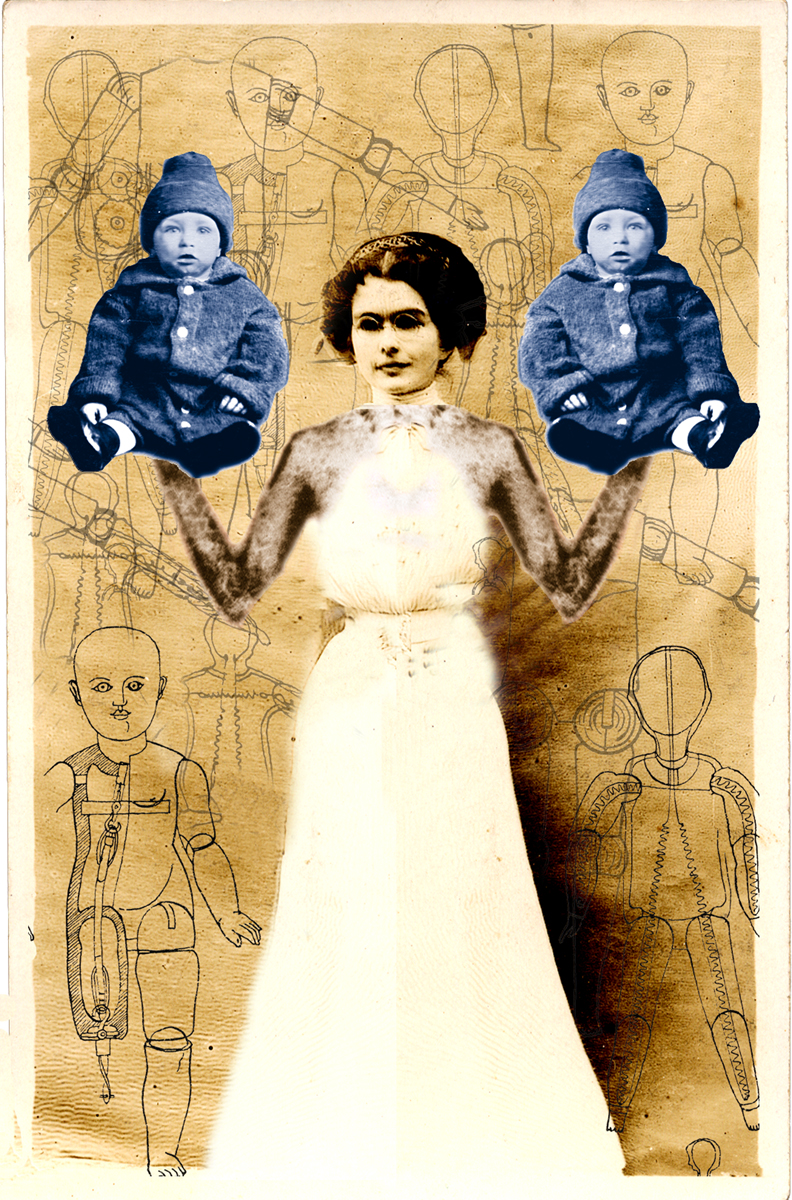
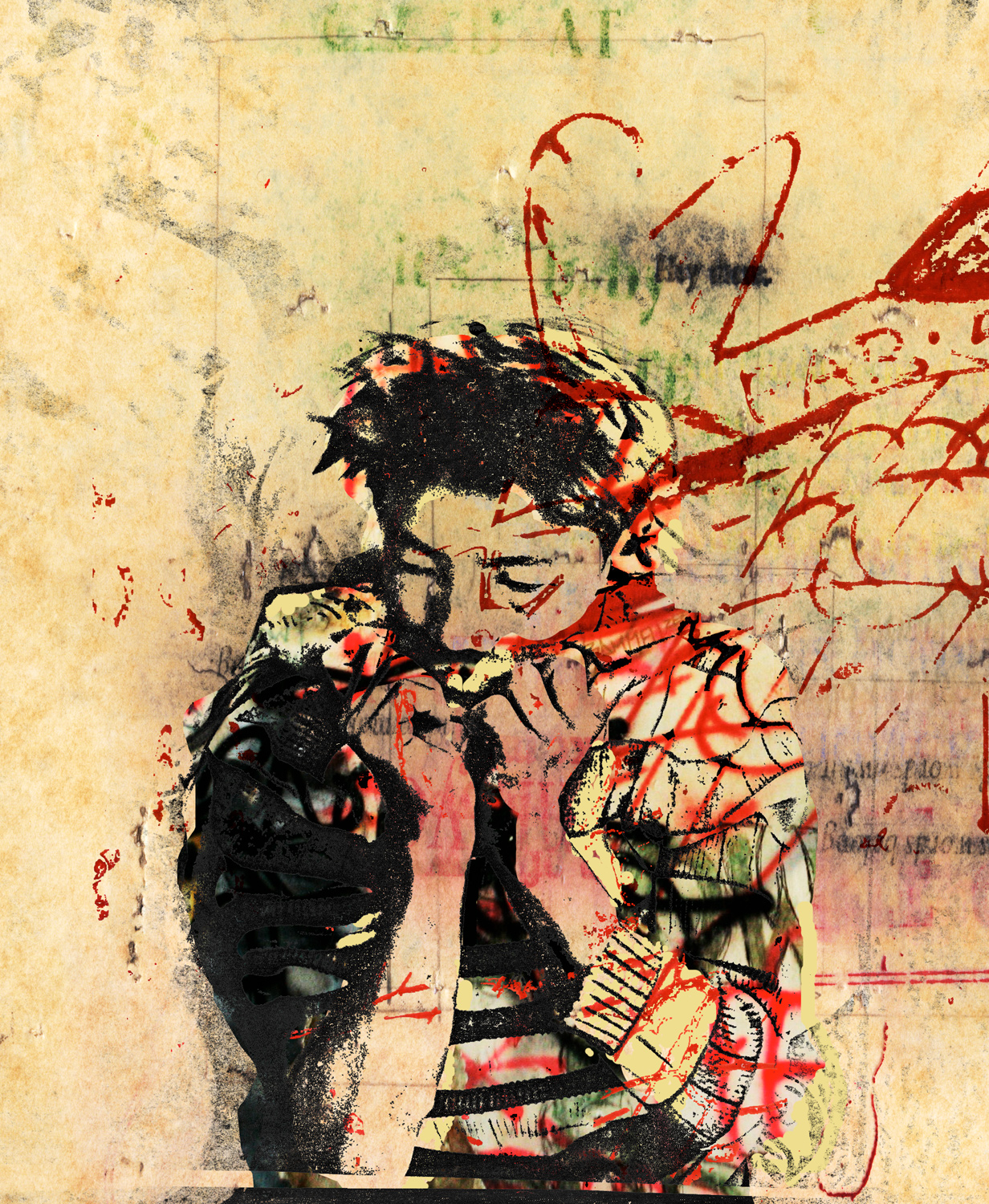

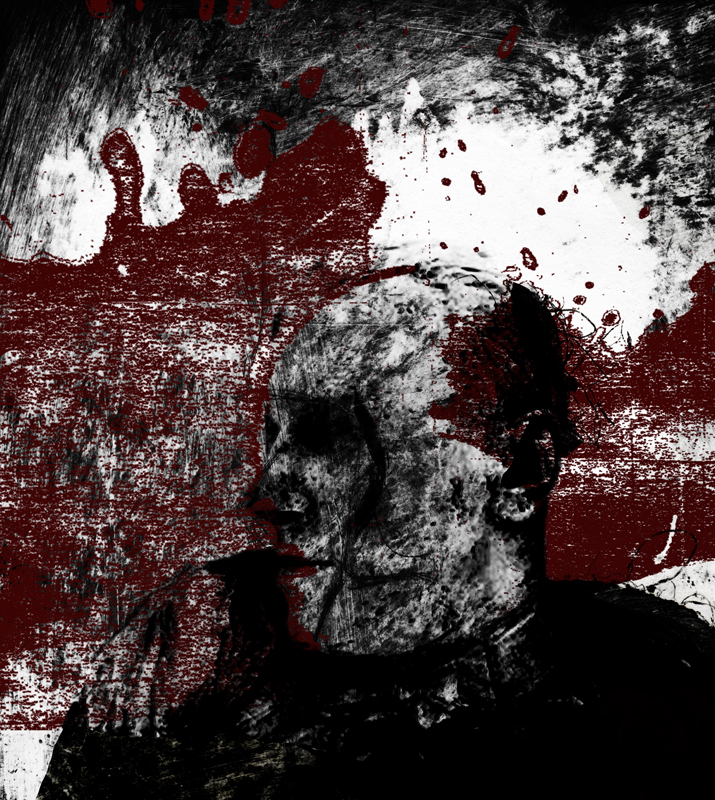
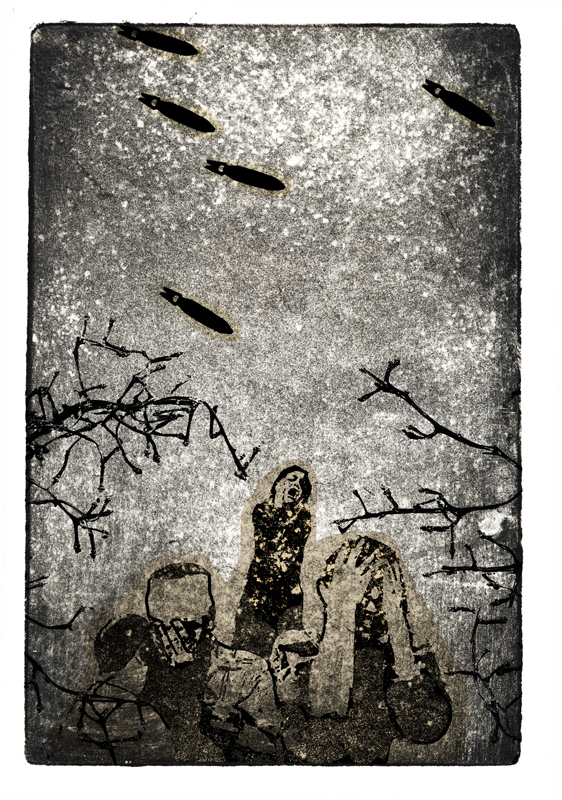






Mythology, history, culture wars
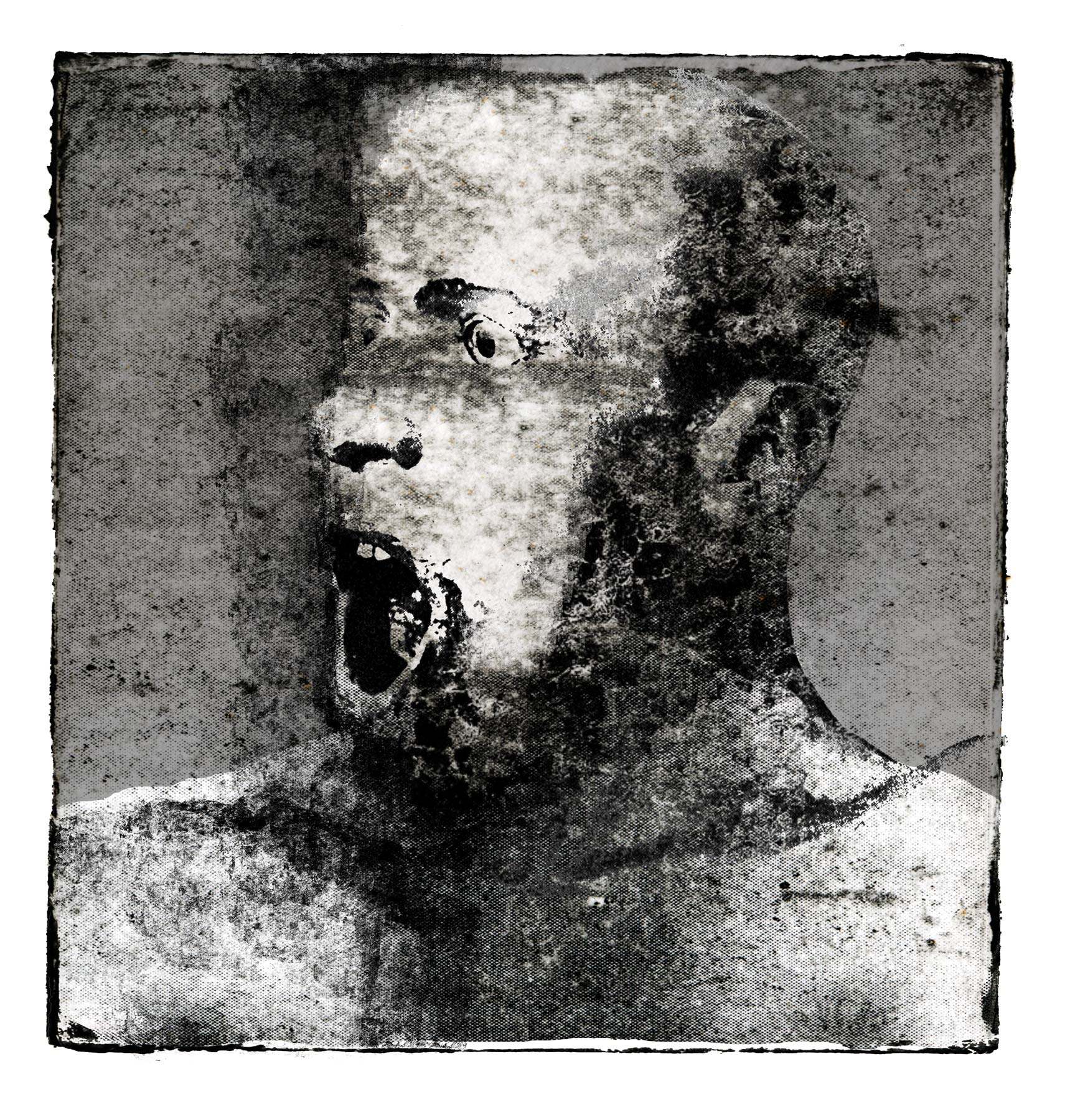
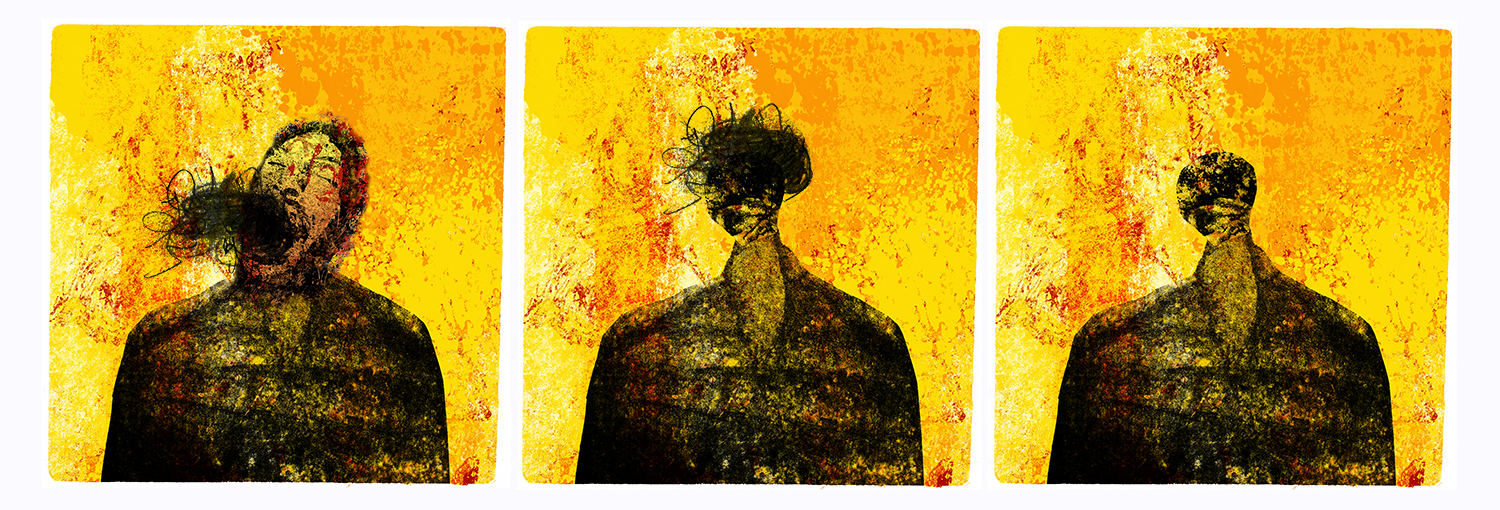
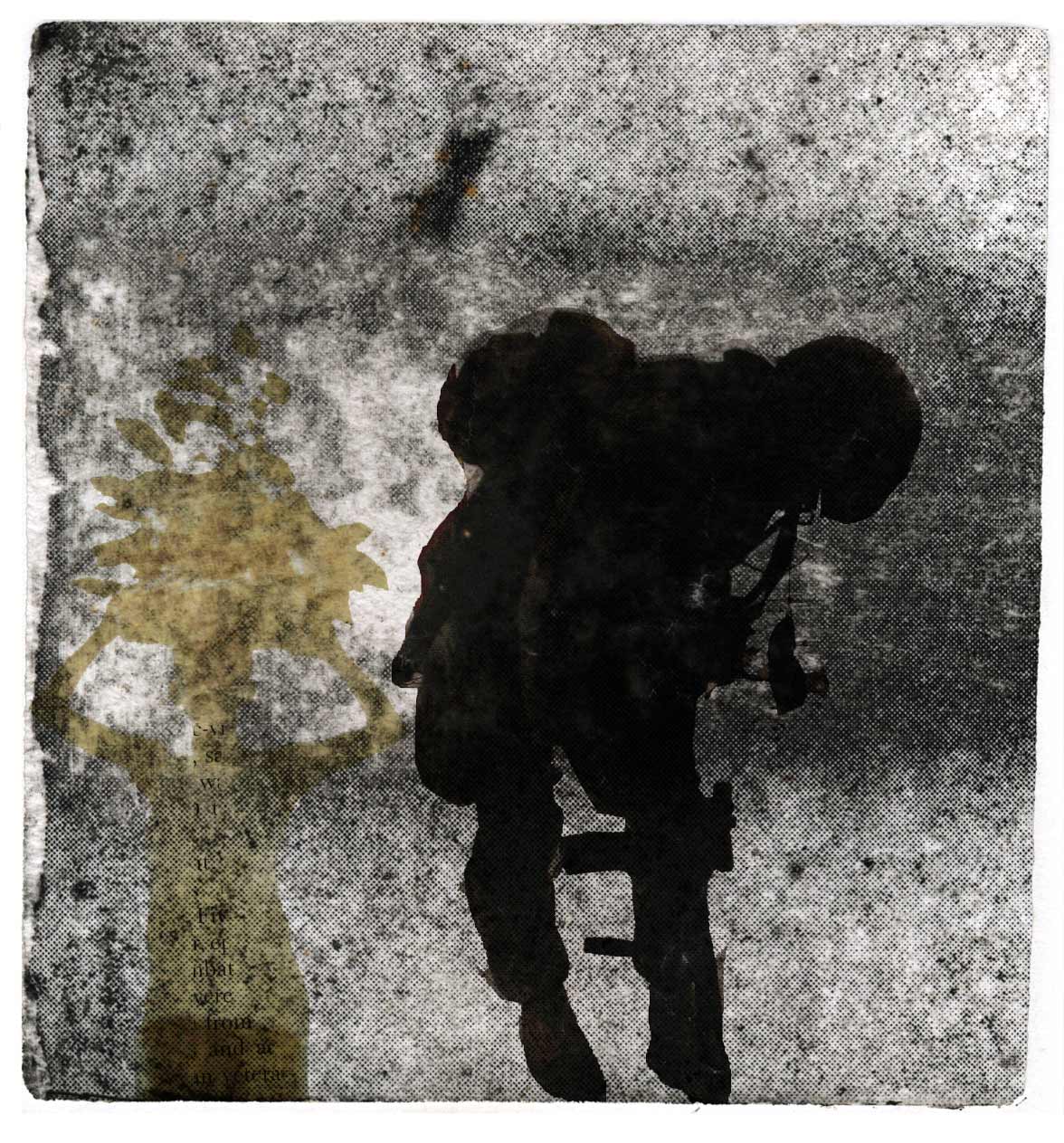
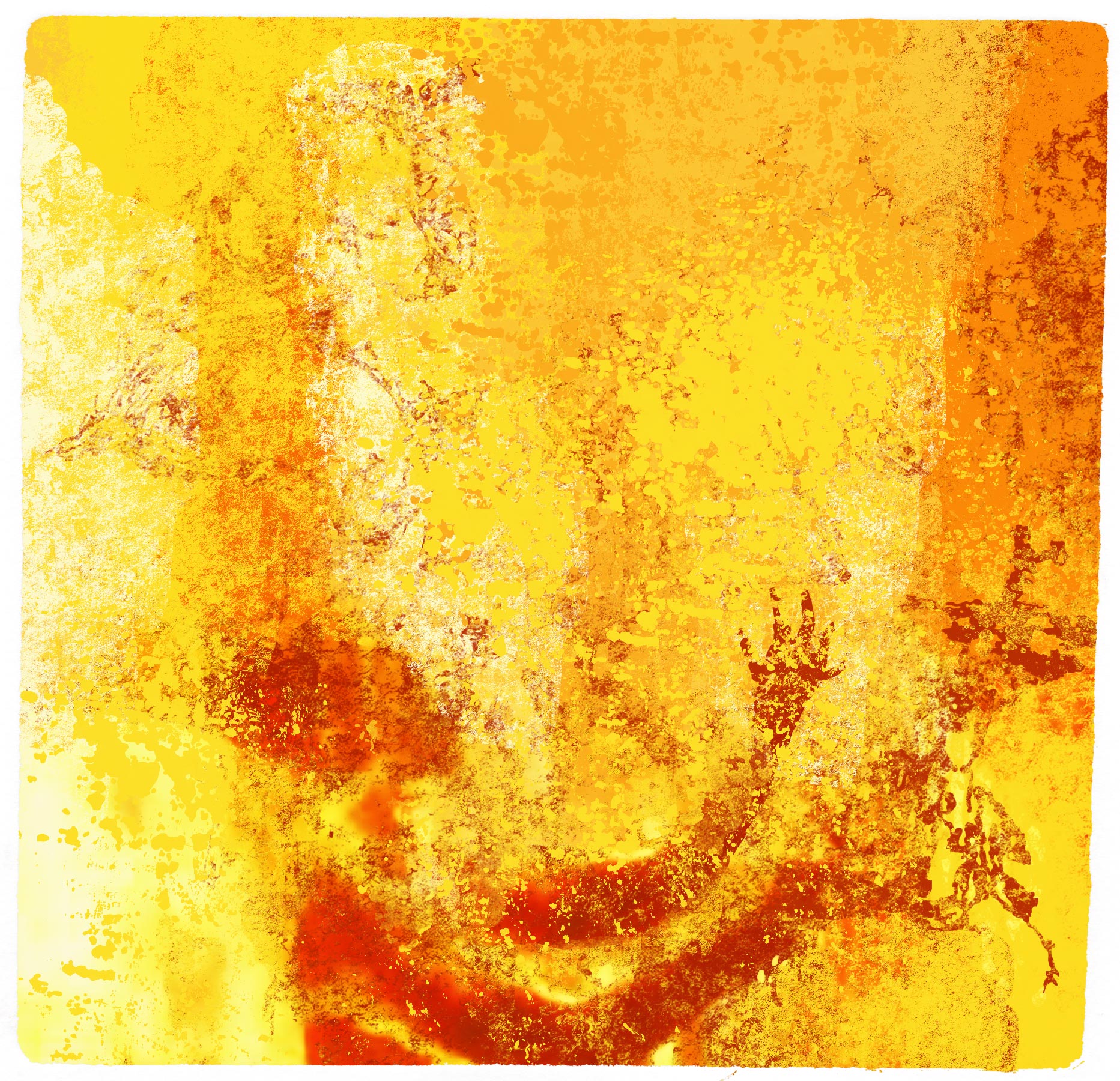
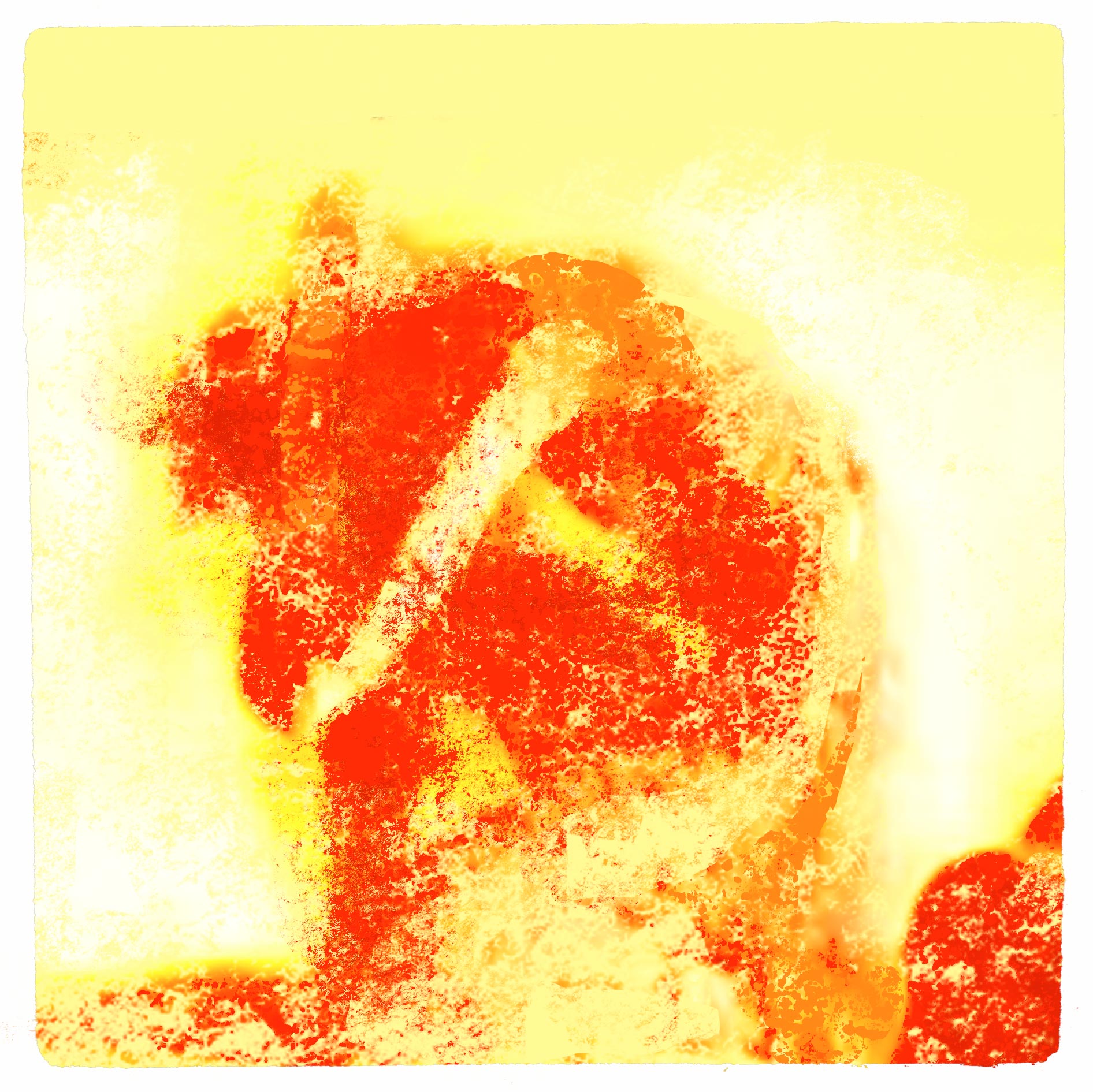
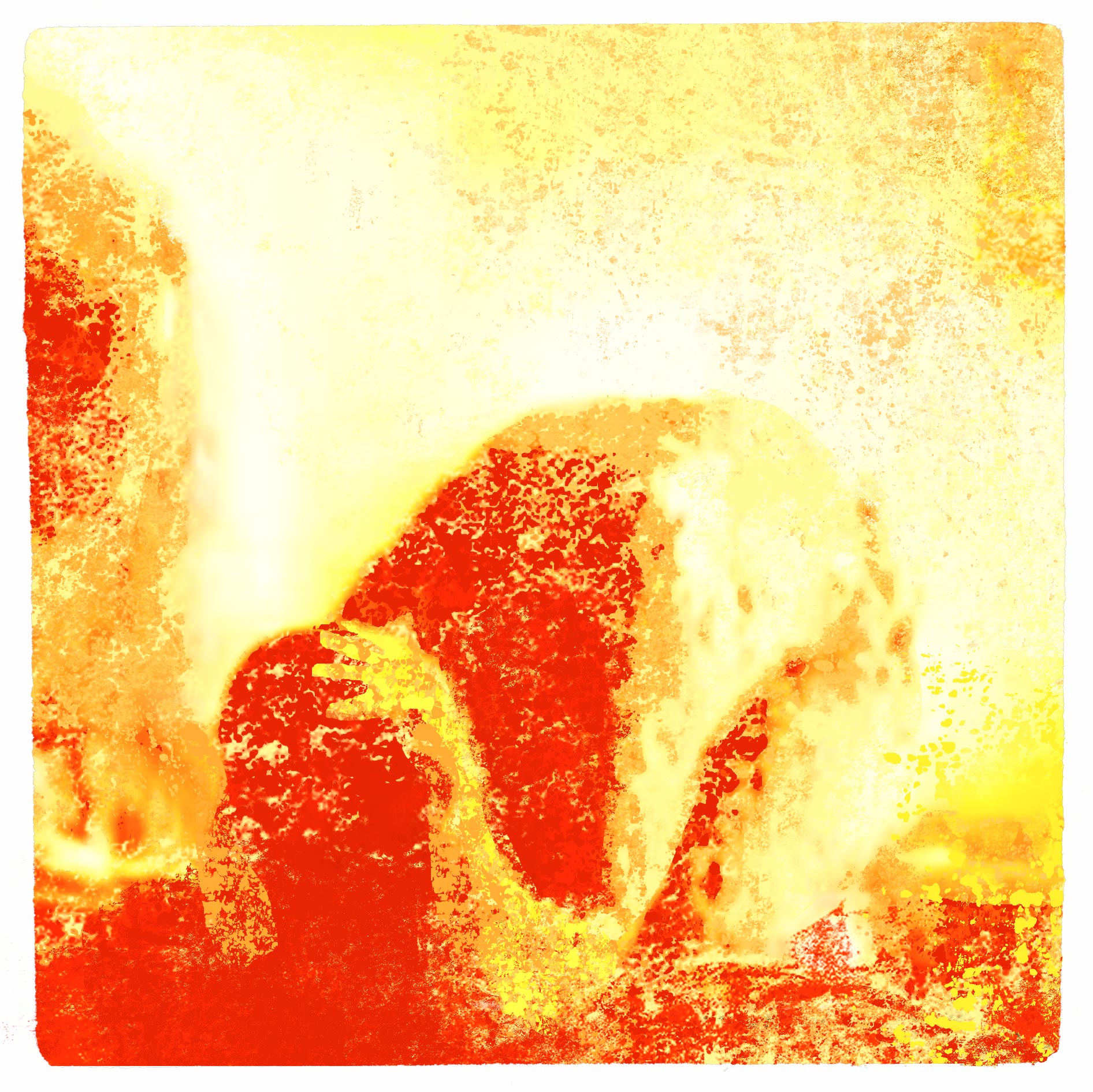
Dust to Dust / As We Explode (triptych)
silkscreen, spray paint, acrylic, image transfer on canvas
2011
triptych (full view)
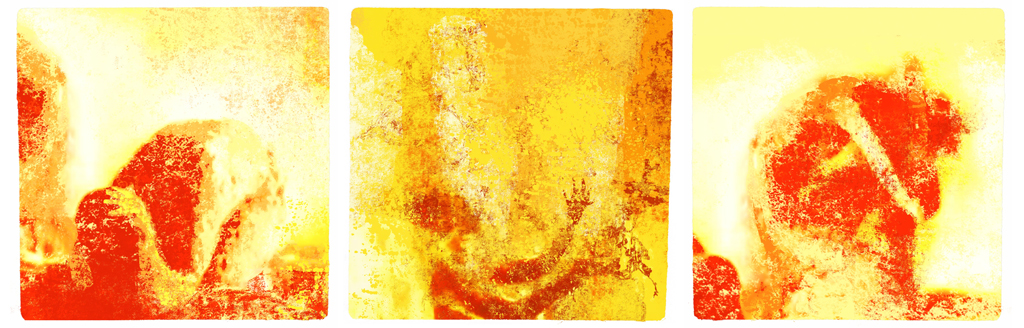
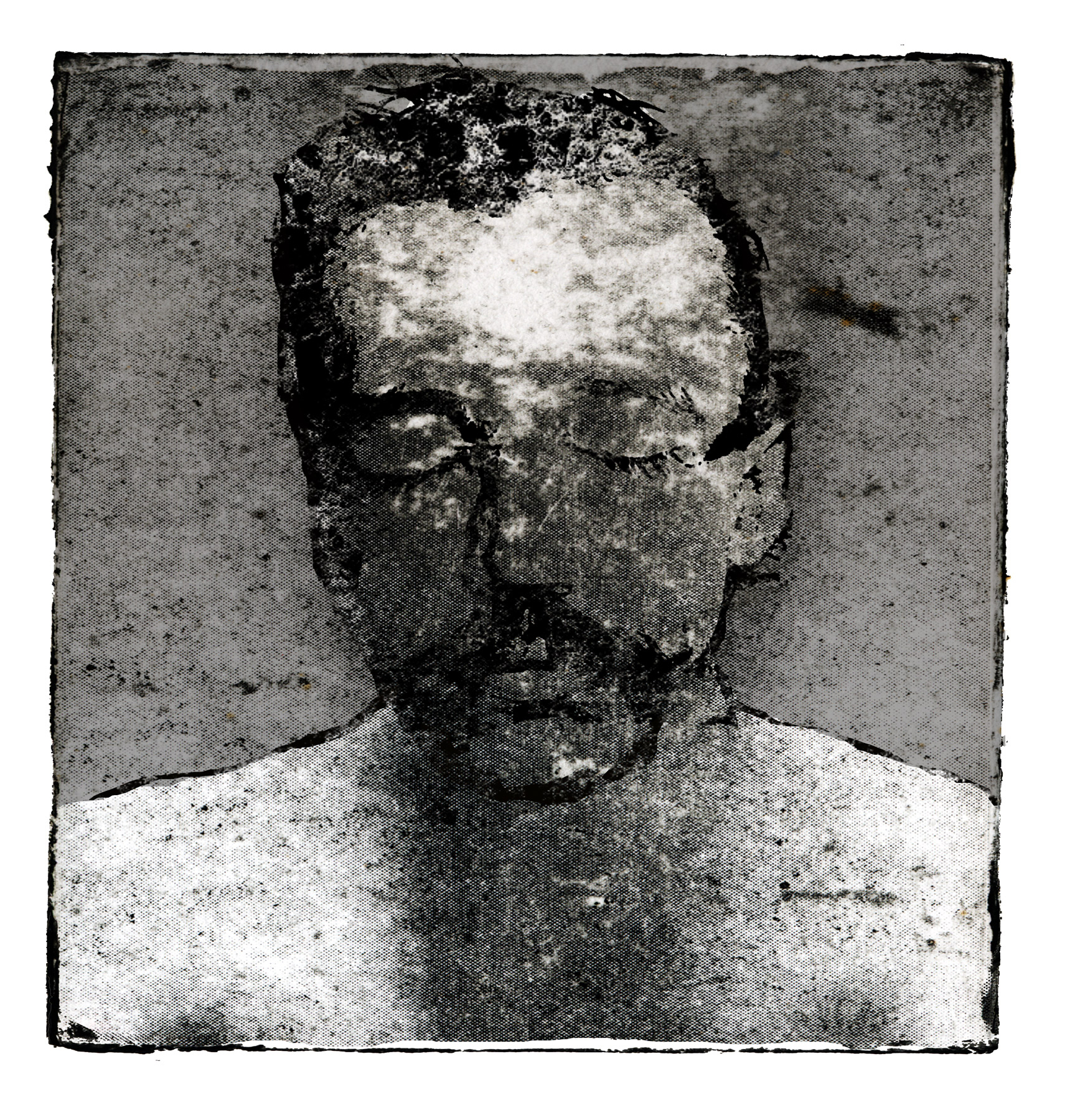
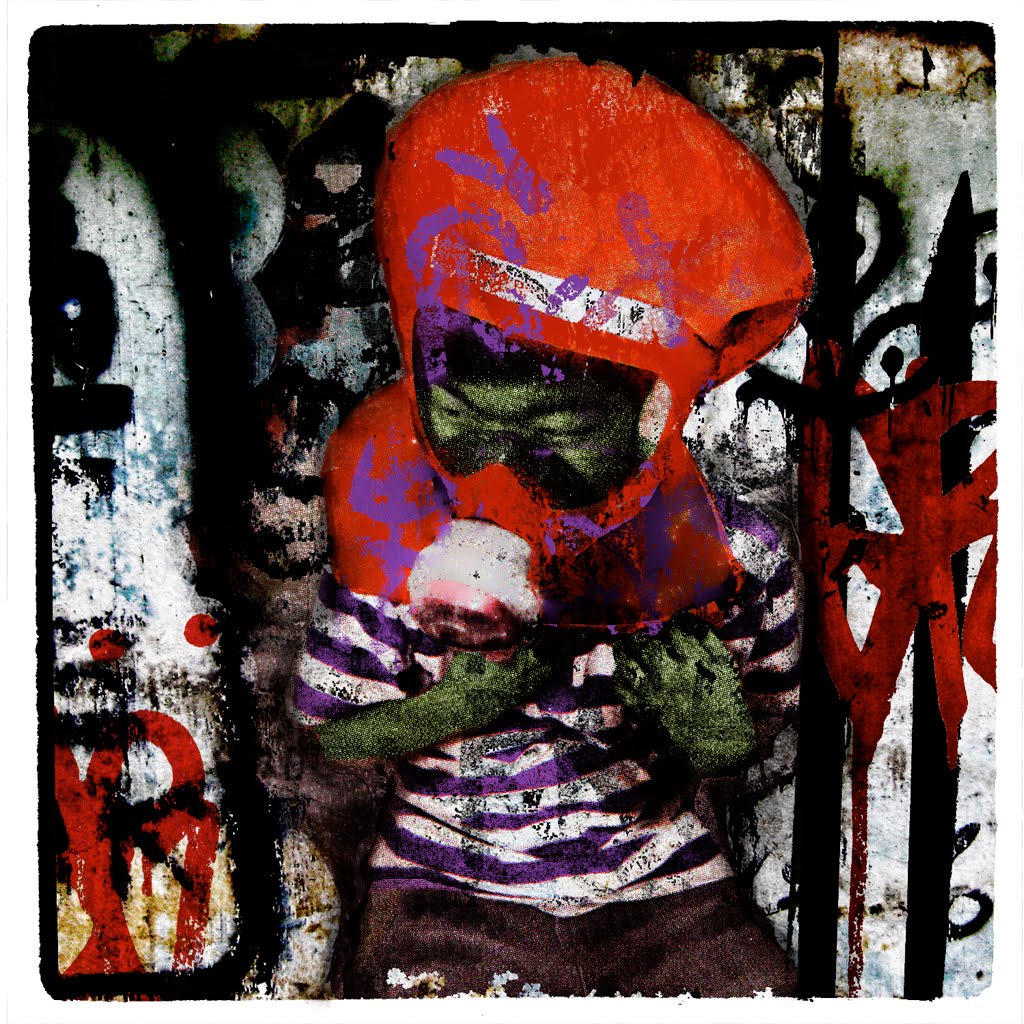
As We Explode (triptych)
silkscreen, mixed media
20" x 20"
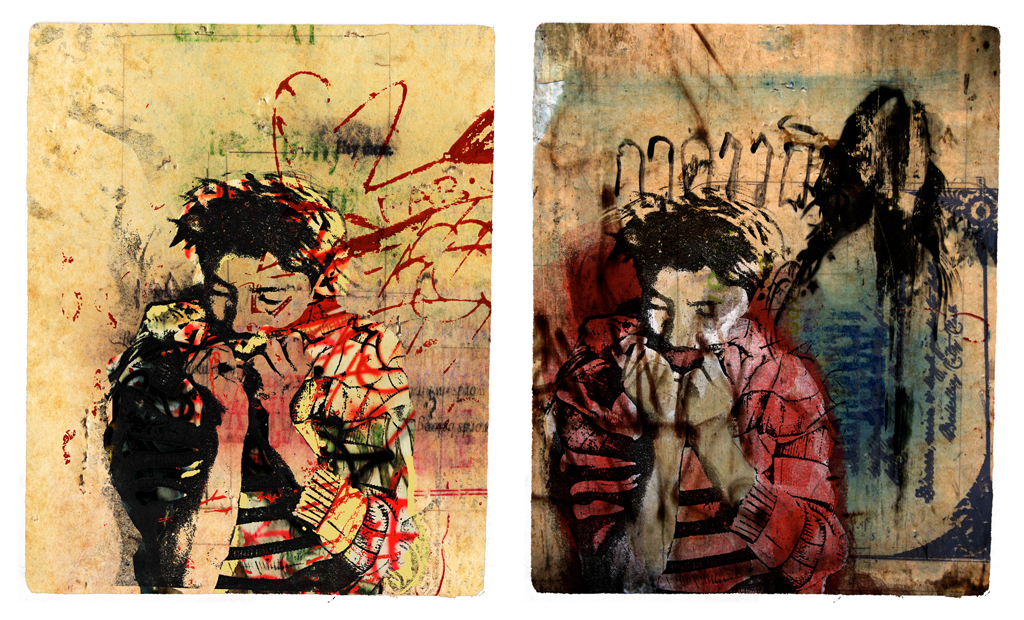
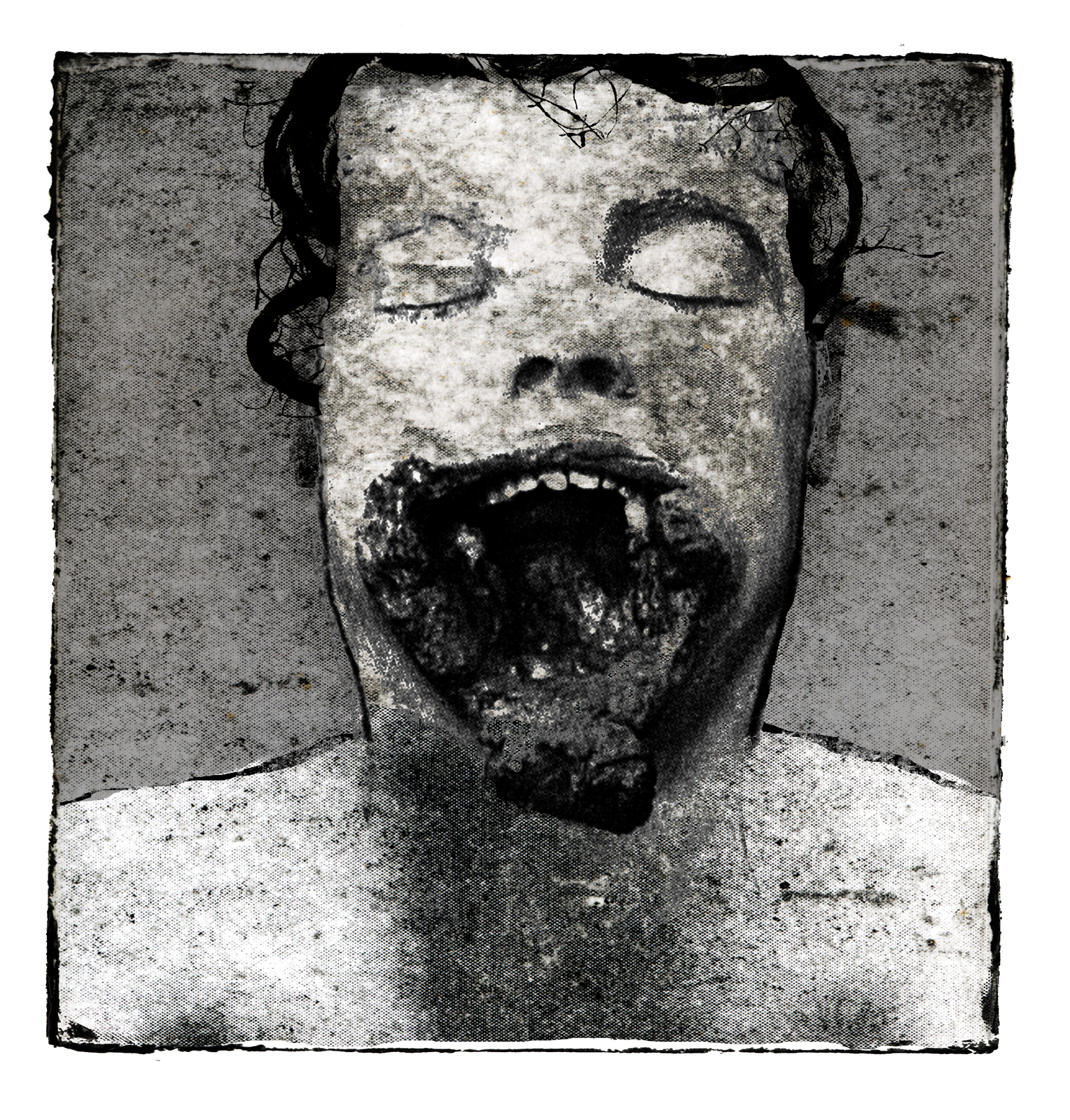
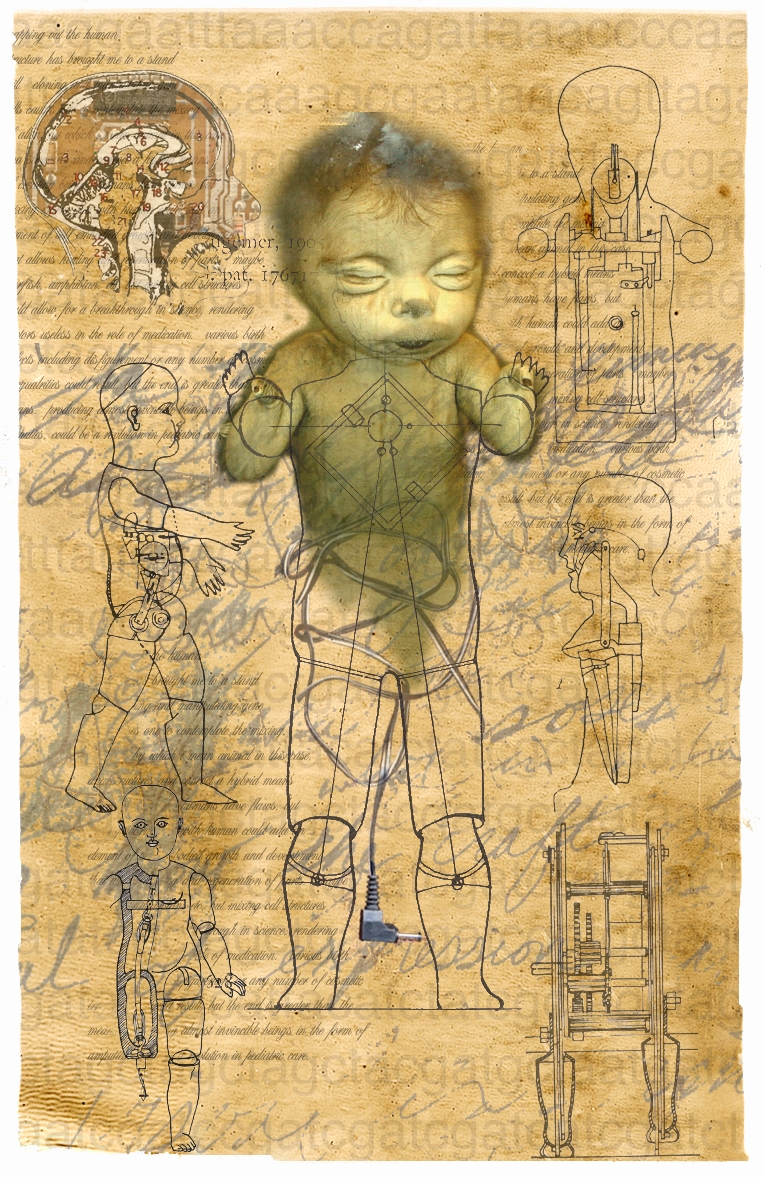
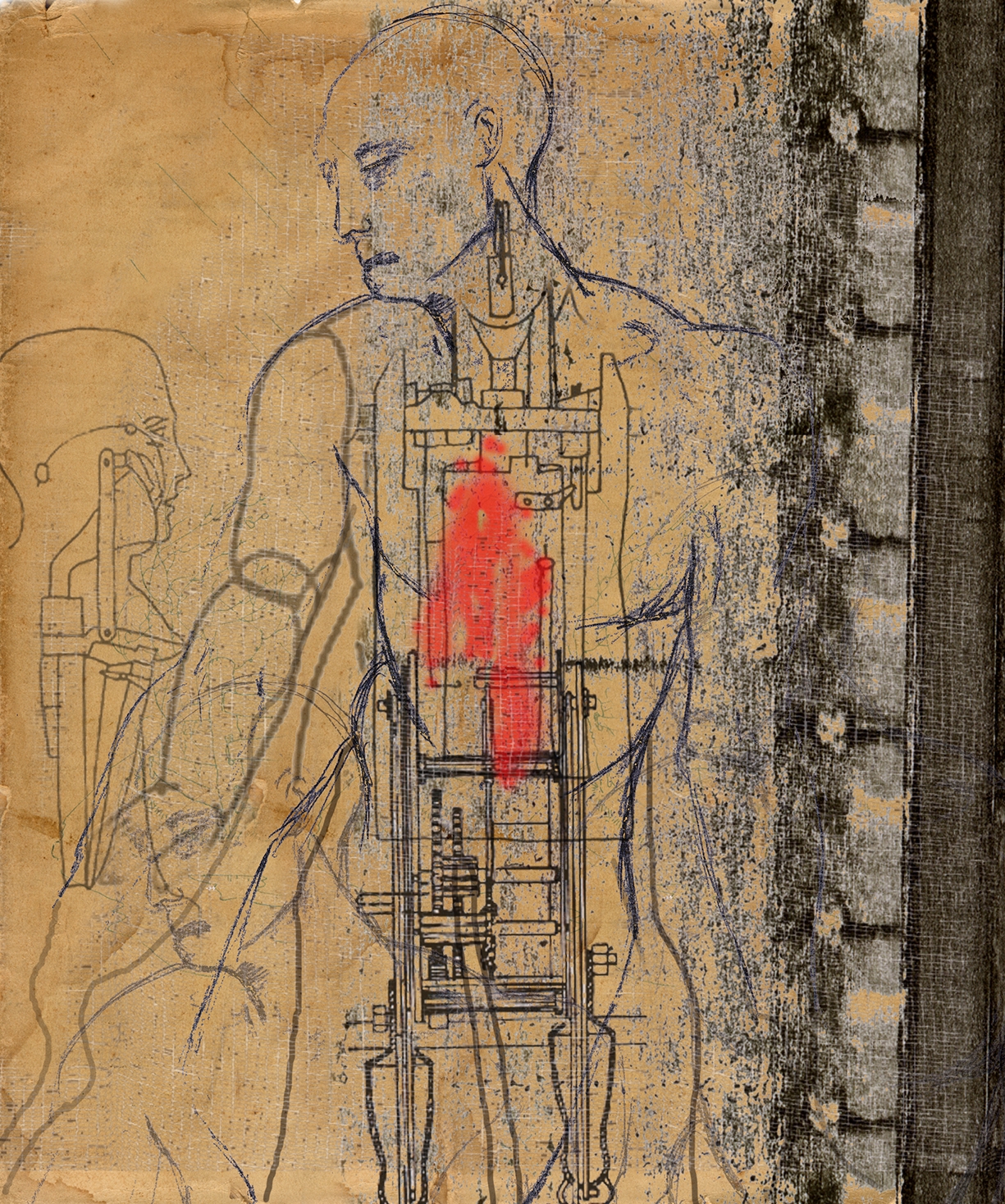
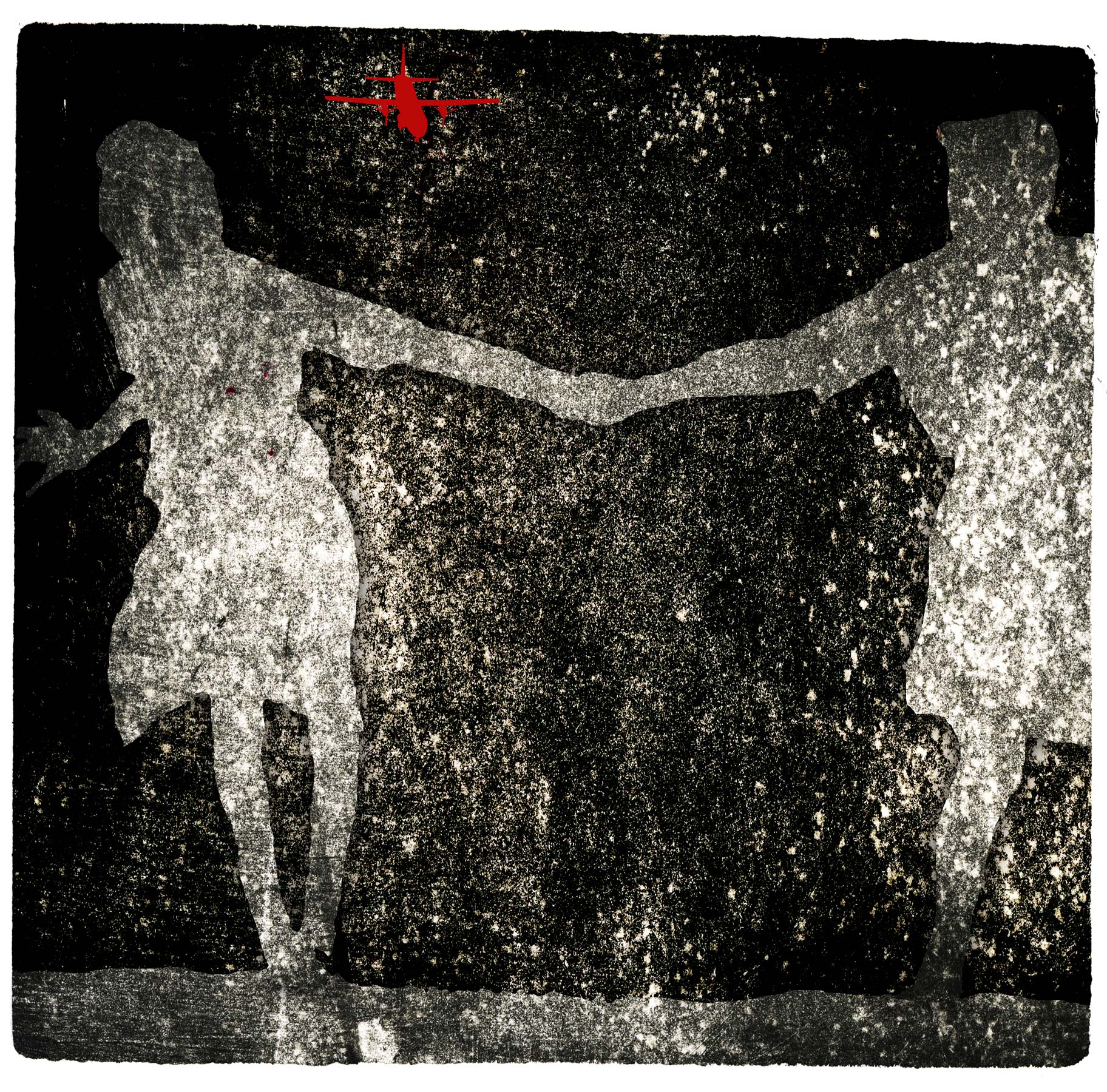
As Time Grinds Down
silkscreen, spray paint, digital
2009
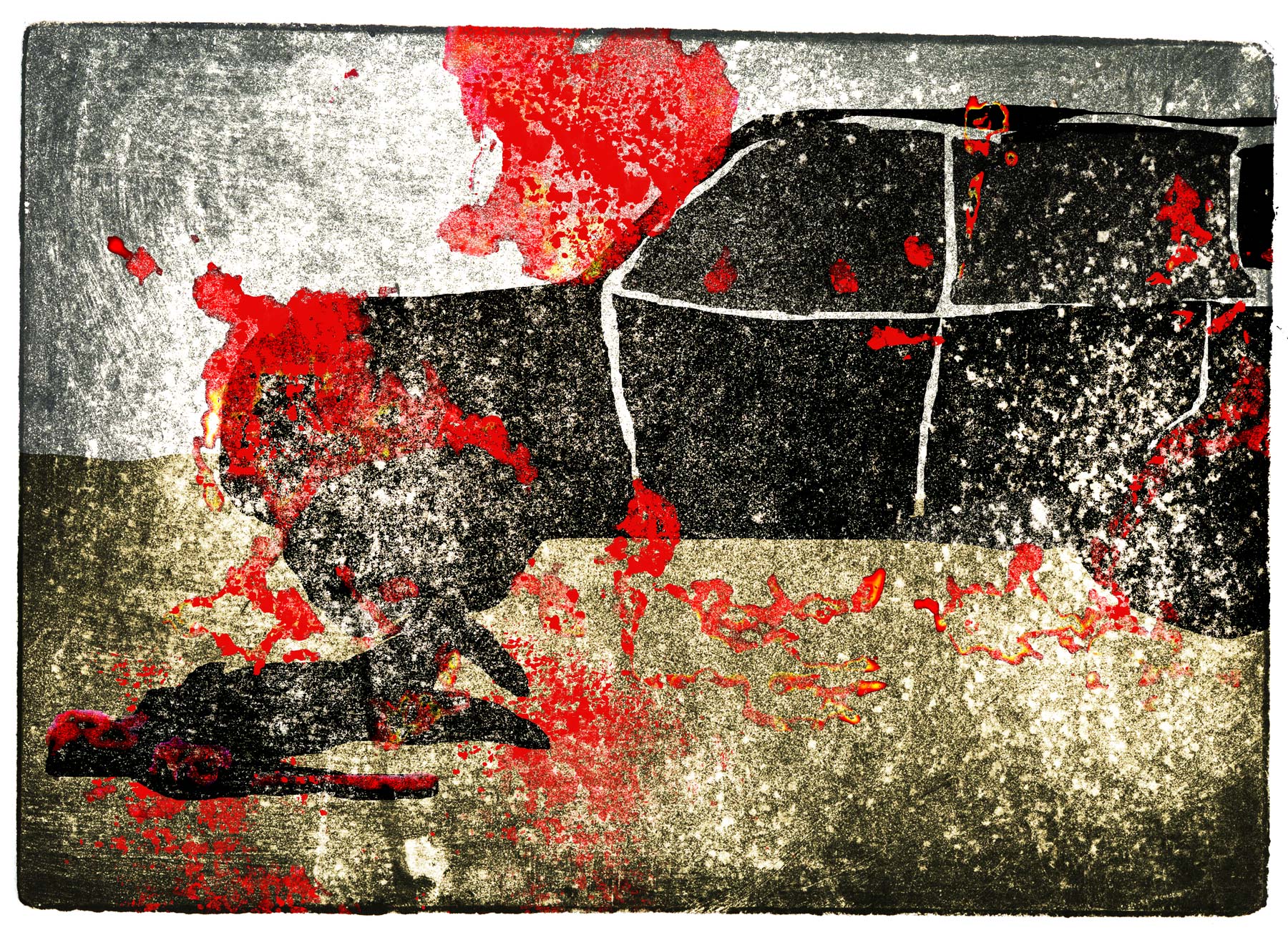
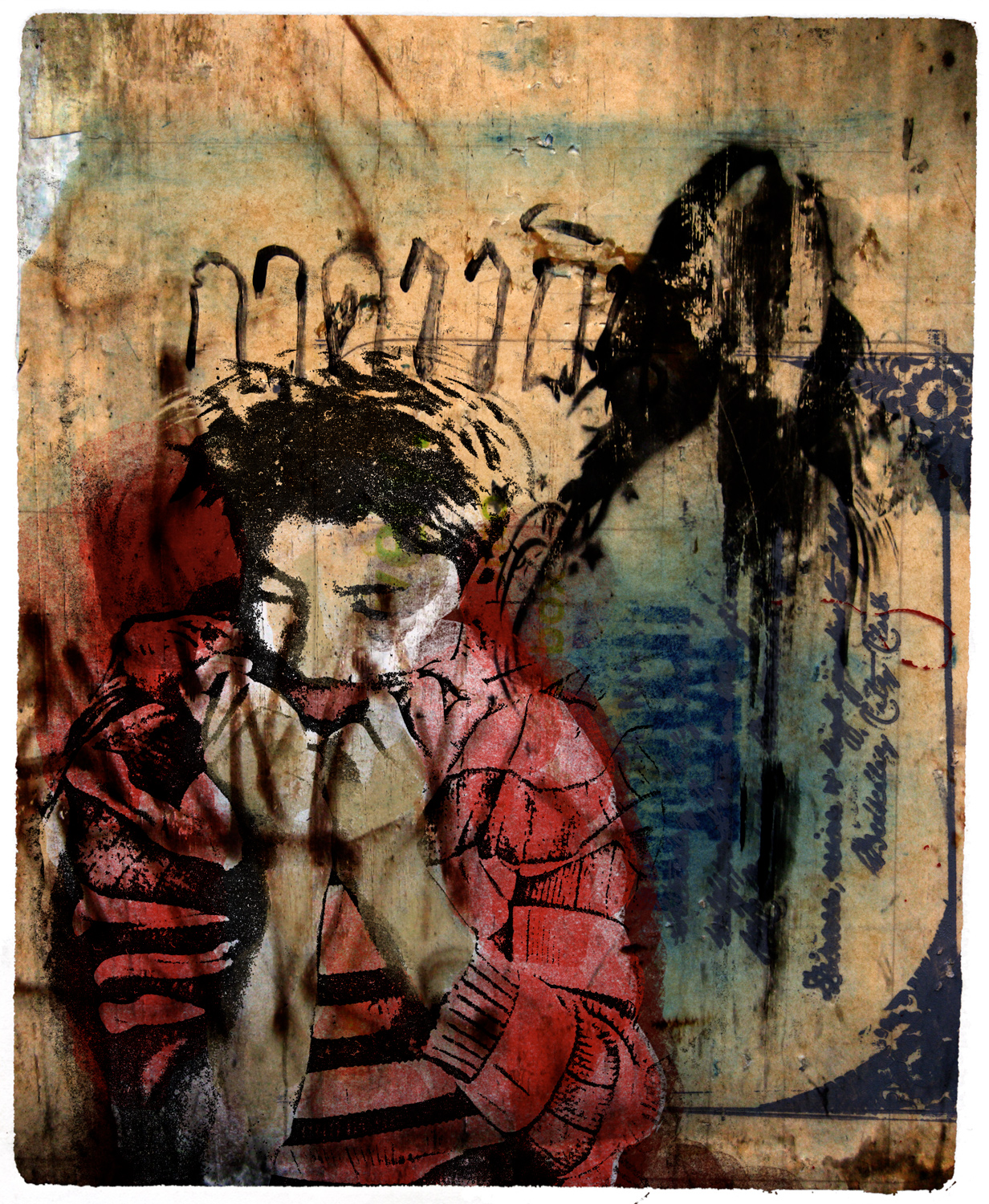
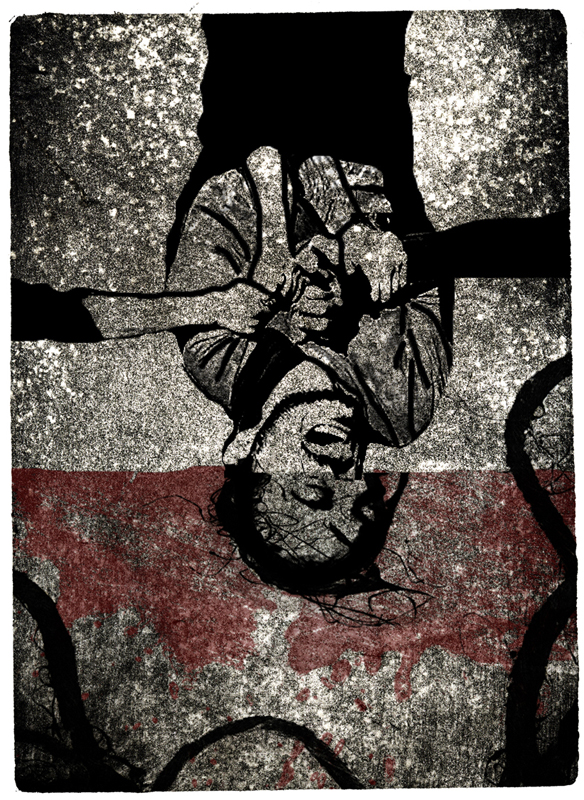
print series about victims of war and the behind-the-scenes actions of our governments around the world.
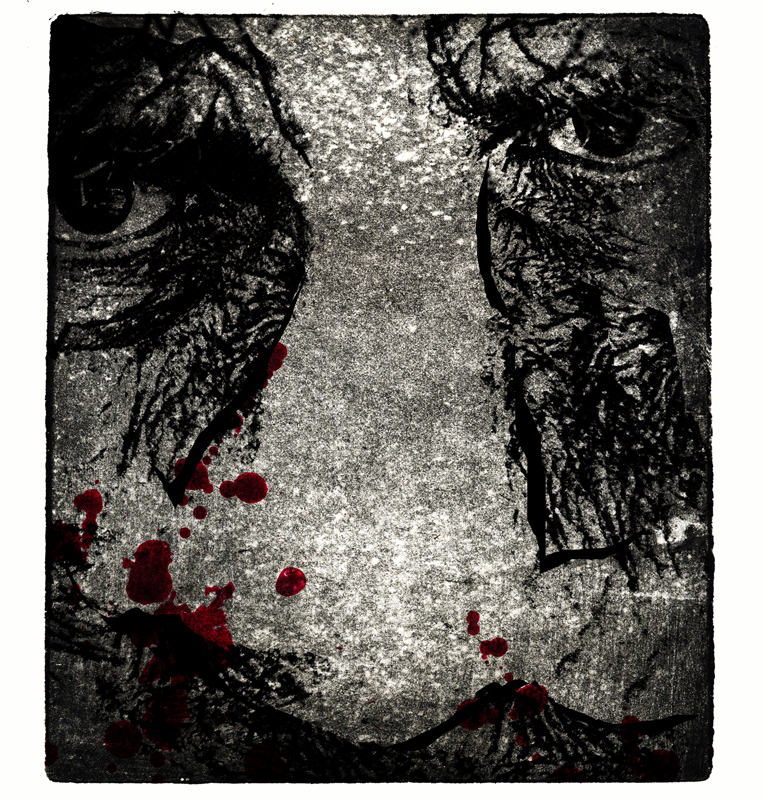
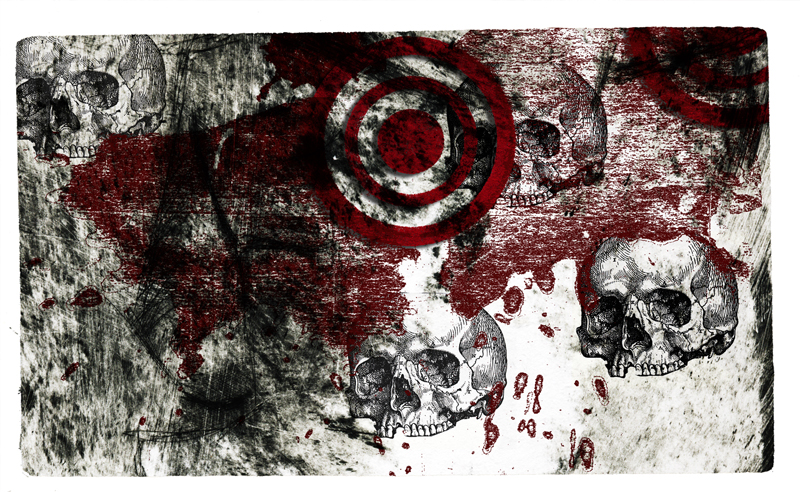
screenprint series based on train yards that I grew up across the street from and the impact the concept of decay has on my creative output.